


Hey there! As a supplier of antiallergic medicine, I often get asked a bunch of questions from customers. One question that pops up quite a bit is, "Can antiallergic medicine affect my blood pressure?" It's a valid concern, especially for those of us who have to deal with both allergies and blood pressure issues. So, let's dive into this topic and see what's what.
First off, it's important to understand that there are different types of antiallergic medicines out there. Some of the common ones include antihistamines, decongestants, corticosteroids, and mast cell stabilizers. Each of these works in a different way to combat allergy symptoms, and they can have varying effects on blood pressure.
Let's start with antihistamines. These are probably the most well - known type of antiallergic medicine. They work by blocking the action of histamine, a chemical that your body releases during an allergic reaction. Most over - the - counter (OTC) antihistamines, like loratadine (Claritin) and cetirizine (Zyrtec), are considered to be pretty safe when it comes to blood pressure. They generally don't have a significant impact on blood pressure levels, even if you take them regularly.
However, there are some older antihistamines, such as diphenhydramine (Benadryl), that can cause a bit of a problem. Diphenhydramine can sometimes make you feel drowsy, and in some cases, it might cause a small increase in blood pressure. But this is usually more of an issue if you're taking high doses or if you're sensitive to the medication.
Now, let's talk about decongestants. These are often used to relieve nasal congestion, which is a common allergy symptom. Decongestants work by narrowing the blood vessels in your nasal passages, which helps to reduce swelling and congestion. The problem is, when they narrow the blood vessels in your nose, they can also have an effect on blood vessels throughout your body.
This narrowing of blood vessels can lead to an increase in blood pressure. OTC decongestants like pseudoephedrine (Sudafed) are known for this side effect. If you have high blood pressure, you need to be really careful when using decongestants. In fact, doctors usually recommend that people with high blood pressure avoid using them altogether. There are some nasal sprays that contain decongestants, like oxymetazoline (Afrin), but using these for more than a few days can also cause a "rebound" effect, where your congestion gets worse and your blood pressure might go up.
Corticosteroids are another type of antiallergic medicine. They're often used in the form of nasal sprays, inhalers, or creams to reduce inflammation caused by allergies. When used as directed, nasal corticosteroids like fluticasone (Flonase) are generally safe and don't have a big impact on blood pressure. They work locally in the nasal passages or lungs, so they don't usually affect the whole body.
However, if you're taking oral corticosteroids, like prednisone, for a long - term allergy treatment, it can be a different story. Oral corticosteroids can cause your body to retain salt and water, which can lead to an increase in blood pressure. Plus, they can also affect your body's natural production of hormones, which can have other impacts on your cardiovascular system.
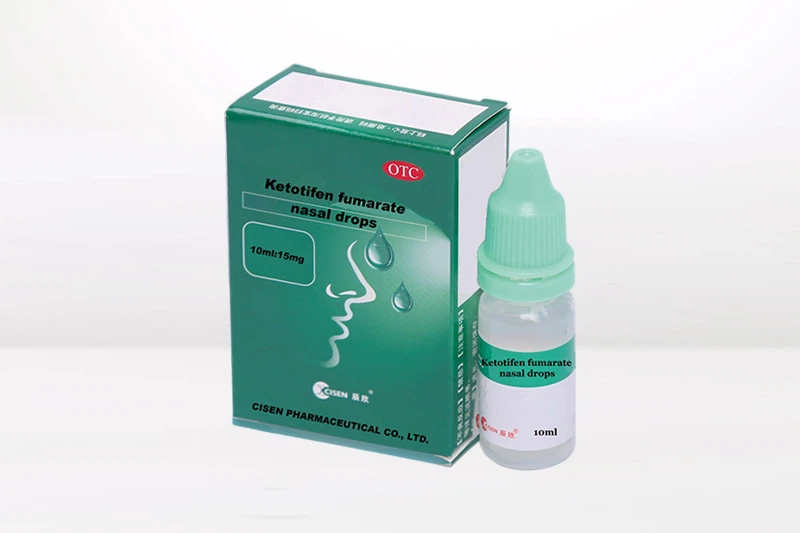
Mast cell stabilizers are less well - known but are also used to treat allergies. They work by preventing mast cells from releasing histamine and other chemicals that cause allergic reactions. One example is Ketotifen Fumarate Nasal Drops. These nasal drops are a great option for many allergy sufferers. They're generally well - tolerated and don't usually have a significant effect on blood pressure. They work directly in the nasal passages to prevent symptoms and are a good choice for those who are worried about blood pressure issues.
So, what should you do if you have both allergies and high blood pressure? Well, the first thing is to talk to your doctor. They can help you figure out the best antiallergic medicine for you based on your specific situation. They might recommend an antihistamine that's less likely to affect your blood pressure or suggest other non - pharmacological ways to manage your allergies, like using a saline nasal rinse.
If you're using an antiallergic medicine and you notice any changes in your blood pressure, it's important to let your doctor know right away. They can adjust your treatment plan as needed. And if you're thinking about starting a new antiallergic medicine, make sure to tell your doctor about your blood pressure history.
As a supplier of antiallergic medicine, I always want to make sure that my customers are well - informed. I know how important it is to find the right medicine that works for you without causing any unwanted side effects, especially when it comes to something as serious as blood pressure.
If you're in the market for antiallergic medicine and you have concerns about blood pressure, don't hesitate to reach out. We can have a chat about the different options available and help you find the best fit for your needs. Whether you're looking for a nasal spray, an oral antihistamine, or something else, we've got a wide range of products to choose from. And we're always here to answer any questions you might have.
So, if you're interested in learning more about our antiallergic medicine products or want to discuss your specific situation, just drop us a line. We're eager to help you manage your allergies safely and effectively.
References
- Mayo Clinic. "Allergy medications: Know your options."
- WebMD. "How Allergies and Allergy Meds Can Affect Your Heart."
- American Heart Association. "Managing Allergies with High Blood Pressure."