


Can antiallergic medicine be used for acute urticaria?
Hey there! I'm an antiallergic medicine supplier, and I often get asked this question: Can antiallergic medicine be used for acute urticaria? Well, let's dig into it and find out.
First off, what exactly is acute urticaria? It's a common skin condition that shows up as itchy, red, and raised welts on the skin. These welts can vary in size and shape and can come and go pretty quickly. Acute urticaria usually lasts less than six weeks, and it's often caused by an allergic reaction to something like food, medications, insect bites, or environmental factors.
Now, let's talk about antiallergic medicine. Antiallergic drugs work by blocking the effects of histamine, a chemical that your body releases when it's having an allergic reaction. Histamine is what causes those itchy, red, and swollen symptoms we see in acute urticaria. So, in theory, antiallergic medicine should be a great option for treating acute urticaria, right?
The answer is yes! In most cases, antiallergic medicine is the first - line treatment for acute urticaria. Over - the - counter antihistamines, like cetirizine, loratadine, and fexofenadine, are commonly used. They're relatively safe, have few side effects, and can provide quick relief from itching and swelling. These medications work by binding to the histamine receptors in your body, preventing histamine from attaching to them and causing those annoying symptoms.
For example, if you accidentally eat a food you're allergic to and start developing hives, taking an antihistamine can help calm down your body's allergic response. You'll notice that the itching starts to subside, and the redness and swelling of the hives will gradually go away.
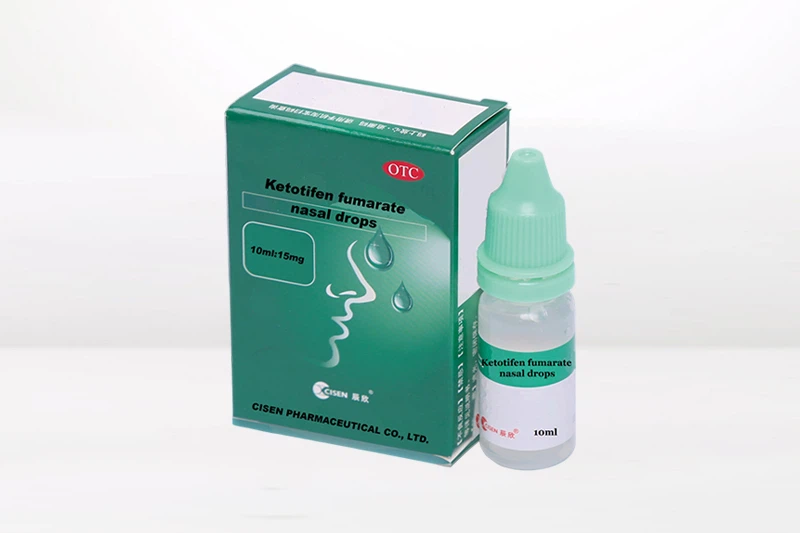
But it's not always that simple. Sometimes, acute urticaria can be more severe, and over - the - counter antihistamines may not be enough. In these cases, your doctor might prescribe a stronger antiallergic medicine. One such option is Ketotifen Fumarate Nasal Drops. Ketotifen is a type of antiallergic drug that not only blocks histamine but also has other anti - inflammatory effects. It can be very effective in treating more stubborn cases of acute urticaria, especially when the hives are widespread and very itchy.
However, it's important to note that while antiallergic medicine can be very helpful, it's not a cure for acute urticaria. It just treats the symptoms. To really get to the root of the problem, you need to figure out what's causing the allergic reaction in the first place. This might involve keeping a food diary, getting allergy tests, or avoiding certain environmental triggers.
There are also some factors to consider when using antiallergic medicine for acute urticaria. For instance, some antihistamines can cause drowsiness. If you're taking these medications, you need to be careful not to drive or operate heavy machinery until you know how they affect you. Also, if you're pregnant or breastfeeding, you should always consult your doctor before taking any antiallergic medicine, as some medications may not be safe for your baby.
Another thing to keep in mind is that everyone's body is different. What works well for one person may not work as well for another. So, if you've tried an antiallergic medicine and it doesn't seem to be helping, don't just keep taking it. Talk to your doctor. They may need to adjust your treatment plan, either by changing the type of antiallergic medicine or by adding other medications.
In some rare cases, acute urticaria can be a sign of a more serious underlying condition, like an autoimmune disorder. If your hives are accompanied by other symptoms such as fever, joint pain, or difficulty breathing, it's crucial to seek medical attention immediately. These could be signs of a more severe allergic reaction or a different health problem altogether.
As an antiallergic medicine supplier, I've seen firsthand how these medications can make a big difference in people's lives. When someone is suffering from acute urticaria, a simple antihistamine can turn their day around. They go from being miserable and itchy to feeling much better in a matter of hours.
But I also know that it's important to use these medications responsibly. That's why I always encourage people to talk to their doctors before starting any new treatment. Your doctor can give you personalized advice based on your medical history, the severity of your symptoms, and any other medications you're taking.
If you're a healthcare provider or a distributor interested in sourcing high - quality antiallergic medicine for the treatment of acute urticaria, I'd love to have a chat with you. We offer a wide range of antiallergic products that are safe, effective, and affordable. Whether you need over - the - counter antihistamines or more specialized antiallergic medications, we've got you covered. Contact us for more information and let's start a great business relationship.
In conclusion, antiallergic medicine can definitely be used for acute urticaria. It's a safe and effective way to relieve the symptoms of this common skin condition. However, it's important to use it correctly, under the guidance of a healthcare professional, and to try to identify and avoid the triggers that are causing the allergic reaction. With the right treatment and management, you can get rid of those pesky hives and get back to feeling your best.
References
- American Academy of Dermatology. (2023). Acute Urticaria. Retrieved from [Website of AAD].
- Drugs.com. (2023). Antiallergic Medications. Retrieved from [Website of Drugs.com].
- Mayo Clinic. (2023). Urticaria (Hives). Retrieved from [Website of Mayo Clinic].