


Food allergies have become a prevalent health concern in recent years, affecting millions of people worldwide. As an antiallergic medicine supplier, I often receive inquiries about the use of antiallergic medications for food allergies. In this blog post, I will delve into this topic, exploring the effectiveness, limitations, and considerations of using antiallergic medicine for food allergies.
Understanding Food Allergies
Before discussing the use of antiallergic medicine, it's essential to understand what food allergies are. A food allergy is an immune system reaction that occurs when the body mistakenly identifies a particular food protein as harmful. When a person with a food allergy consumes the allergenic food, the immune system releases chemicals such as histamine, which trigger a range of symptoms. These symptoms can vary from mild to severe and may include itching, hives, swelling, abdominal pain, vomiting, diarrhea, and in severe cases, anaphylaxis, a life - threatening allergic reaction.
Types of Antiallergic Medicines
There are several types of antiallergic medications available, each with its own mechanism of action.
Antihistamines
Antihistamines are one of the most commonly used antiallergic medications. They work by blocking the action of histamine, a chemical released during an allergic reaction. This helps to relieve symptoms such as itching, hives, and swelling. There are two main types of antihistamines: first - generation and second - generation. First - generation antihistamines, such as diphenhydramine, can cause drowsiness, while second - generation antihistamines, like loratadine and cetirizine, are less likely to cause sedation.
Corticosteroids
Corticosteroids are powerful anti - inflammatory medications that can reduce the immune system's response to allergens. They can be used topically (e.g., creams for skin allergies), orally, or by injection. Corticosteroids are often prescribed for more severe allergic reactions, but they also have potential side effects, especially with long - term use.
Mast Cell Stabilizers
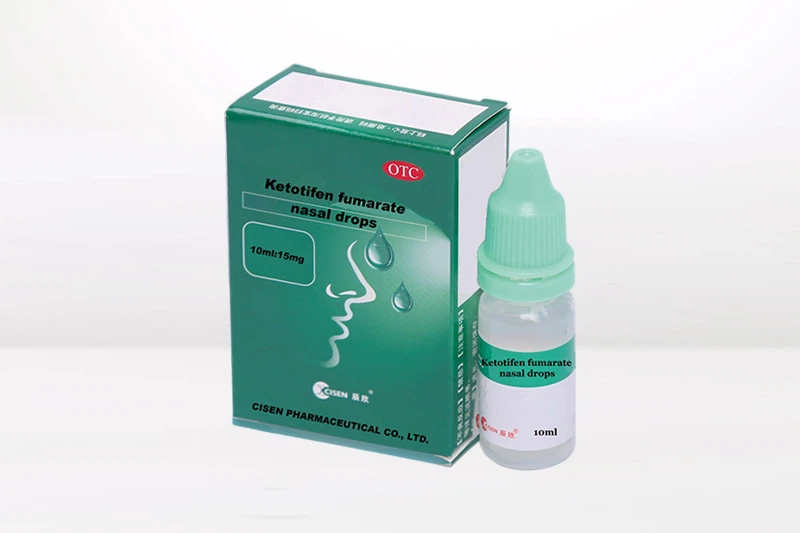
Mast cell stabilizers, such as Ketotifen Fumarate Nasal Drops, work by preventing the release of histamine and other inflammatory chemicals from mast cells. They are commonly used for allergic rhinitis but may also have a role in some allergic conditions.
Using Antiallergic Medicine for Food Allergies
Mild Reactions
For mild food allergy reactions, antihistamines can be effective in relieving symptoms. If a person experiences itching, hives, or mild swelling after consuming an allergenic food, taking an over - the - counter antihistamine can often provide relief. Second - generation antihistamines are generally preferred as they allow the person to function normally without significant drowsiness.
However, it's important to note that antihistamines only address the symptoms and do not treat the underlying allergy. They also may not be sufficient to prevent a more severe reaction from occurring.
Moderate to Severe Reactions
In cases of moderate to severe food allergy reactions, antihistamines alone are usually not enough. Corticosteroids may be prescribed to reduce inflammation and suppress the immune response. In the case of anaphylaxis, epinephrine is the first - line treatment. Epinephrine works quickly to reverse the life - threatening symptoms of anaphylaxis, such as difficulty breathing and a drop in blood pressure. After administering epinephrine, the patient should be taken to the emergency room immediately, where they may receive additional medications, including antihistamines and corticosteroids.
Limitations
It's crucial to understand that antiallergic medicine is not a cure for food allergies. They only provide symptomatic relief. Moreover, relying solely on antiallergic medicine to manage food allergies can be dangerous. There is always a risk of a severe reaction, and antiallergic medications may not be able to prevent it.
Considerations When Using Antiallergic Medicine for Food Allergies
Individual Response
The effectiveness of antiallergic medicine can vary from person to person. Some individuals may respond well to a particular antihistamine, while others may require a different type or a higher dose. It's important to work with a healthcare provider to determine the most appropriate medication and dosage for each individual.
Drug Interactions
Antiallergic medications can interact with other drugs. For example, some antihistamines may interact with certain antibiotics, antidepressants, or antifungal medications. It's essential to inform your doctor about all the medications you are taking to avoid potential drug interactions.
Allergic Reactions to the Medication Itself
Although rare, some people may have an allergic reaction to the antiallergic medicine. Symptoms may include rash, itching, swelling, or difficulty breathing. If any of these symptoms occur after taking an antiallergic medication, medical attention should be sought immediately.
Prevention and Management of Food Allergies
While antiallergic medicine has a role in managing food allergy symptoms, prevention is the key. The best way to prevent a food allergy reaction is to avoid the allergenic food. This requires careful reading of food labels, asking about ingredients when eating out, and being vigilant in social situations.
In addition to avoidance, people with food allergies should have an action plan in place. This plan should include instructions on when and how to use medications, such as epinephrine, and when to seek emergency medical help.
Conclusion
In conclusion, antiallergic medicine can be used for food allergies, but their use should be carefully considered. For mild reactions, antihistamines can provide symptomatic relief, while in more severe cases, epinephrine, corticosteroids, and other medications may be necessary. However, antiallergic medicine is not a substitute for avoiding allergenic foods and having a proper action plan.
As an antiallergic medicine supplier, we are committed to providing high - quality medications to help manage allergic conditions. If you are interested in learning more about our antiallergic products or have questions about using them for food allergies, please feel free to contact us for a procurement discussion. We are here to assist you in finding the most suitable solutions for your needs.
References
- Boyce, J. A., Assa'ad, A., Burks, A. W., Jones, S. M., Sampson, H. A., Wood, R. A., ... & American Academy of Allergy, A. (2010). Guidelines for the diagnosis and management of food allergy in the United States: summary of the NIAID - sponsored expert panel report. Pediatrics, 126(6), 1005 - 1012.
- Sampson, H. A., Muñoz - Furlong, A., & Sicherer, S. H. (2006). Symposium report on the definition and management of anaphylaxis: summary report - Second National Institute of Allergy and Infectious Disease/Food Allergy and Anaphylaxis Network symposium. The Journal of Allergy and Clinical Immunology, 117(2), 391 - 397.
- Sicherer, S. H., & Sampson, H. A. (2014). Food allergy: epidemiology, pathogenesis, diagnosis, and treatment. The Journal of Allergy and Clinical Immunology, 133(1), 29 - 38.