


Lupin is a legume that has gained popularity in recent years due to its high protein content and potential health benefits. However, like many other foods, lupin can cause allergic reactions in some individuals. As an antiallergic medicine supplier, I often receive inquiries about whether our products can be used to treat lupin allergies. In this blog post, I will explore the topic in detail and provide some insights based on scientific research and our experience in the field.
Understanding Lupin Allergies
Lupin allergy is an immune - system reaction to proteins found in lupin. Symptoms of lupin allergy can range from mild to severe and may include itching, hives, swelling of the lips, tongue, or face, difficulty breathing, abdominal pain, vomiting, and diarrhea. In severe cases, anaphylaxis, a life - threatening allergic reaction, can occur.
Lupin is commonly used in a variety of food products, such as bread, pasta, and snack foods, which makes it difficult for allergic individuals to avoid. With the increasing use of lupin in the food industry, the prevalence of lupin allergies is also on the rise.
How Antiallergic Medicines Work
Antiallergic medicines work by blocking or reducing the effects of histamine, a chemical released by the immune system during an allergic reaction. Histamine is responsible for many of the symptoms associated with allergies, such as itching, swelling, and inflammation.
There are several types of antiallergic medicines, including antihistamines, corticosteroids, and mast cell stabilizers. Antihistamines are the most commonly used antiallergic drugs. They work by binding to histamine receptors in the body, preventing histamine from attaching to these receptors and triggering allergic symptoms.
Corticosteroids, on the other hand, reduce inflammation in the body by suppressing the immune system's response. Mast cell stabilizers prevent mast cells from releasing histamine and other inflammatory chemicals.
Can Antiallergic Medicine Be Used for Lupin Allergies?
The short answer is yes, antiallergic medicine can be used to treat the symptoms of lupin allergies. Antihistamines, for example, can effectively relieve mild to moderate symptoms such as itching, hives, and nasal congestion. Over - the - counter antihistamines like cetirizine, loratadine, and diphenhydramine are often the first line of treatment for allergic reactions.
Corticosteroids may be prescribed for more severe symptoms, especially those involving inflammation of the skin, lungs, or other organs. In cases of anaphylaxis, epinephrine is the primary treatment, followed by antihistamines and corticosteroids to prevent recurrence of symptoms.
However, it's important to note that antiallergic medicine only treats the symptoms of lupin allergies and does not cure the underlying allergy. Avoiding lupin and lupin - containing products is still the most effective way to prevent allergic reactions.
Our Antiallergic Medicine Products
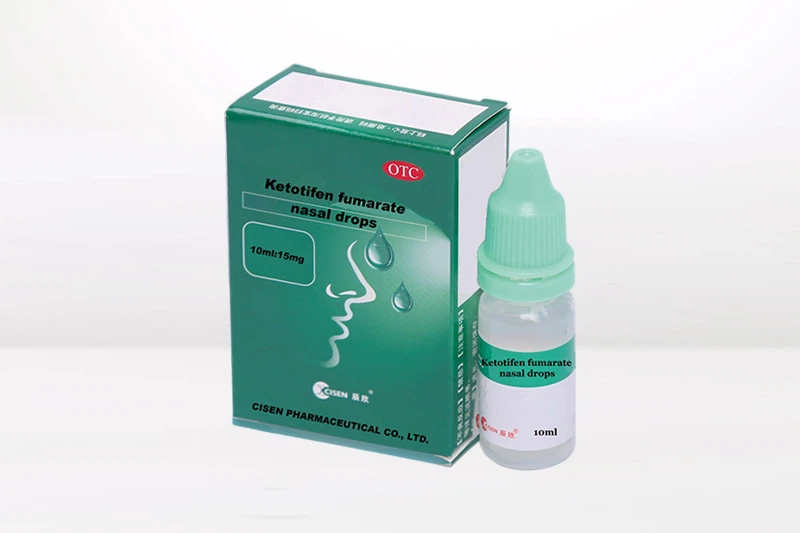
As an antiallergic medicine supplier, we offer a wide range of products that can be used to treat lupin allergies. One of our popular products is Ketotifen Fumarate Nasal Drops. Ketotifen is a mast cell stabilizer and antihistamine that can help relieve nasal symptoms such as itching, sneezing, and runny nose caused by allergic reactions, including those triggered by lupin.
Our antihistamine tablets are also highly effective in treating systemic symptoms of lupin allergies. They are available in different strengths and formulations to meet the diverse needs of our customers.
Considerations When Using Antiallergic Medicine for Lupin Allergies
- Consult a Doctor: Before using any antiallergic medicine, it's important to consult a doctor, especially if you have other medical conditions or are taking other medications. A doctor can determine the most appropriate treatment based on the severity of your symptoms and your overall health.
- Read the Label: Always read the label of the antiallergic medicine carefully and follow the instructions for use. Pay attention to the dosage, frequency of administration, and possible side effects.
- Allergy Testing: If you suspect that you have a lupin allergy, it's advisable to undergo allergy testing to confirm the diagnosis. This can help you better manage your allergy and avoid unnecessary exposure to lupin.
Conclusion
In conclusion, antiallergic medicine can be an effective way to treat the symptoms of lupin allergies. Our range of antiallergic products, including Ketotifen Fumarate Nasal Drops, can provide relief from the discomfort caused by allergic reactions. However, it's important to remember that avoiding lupin is the best way to prevent allergic reactions.
If you are interested in purchasing our antiallergic medicine products for the treatment of lupin allergies or other allergic conditions, we invite you to contact us for a purchase negotiation. Our team of experts is ready to assist you in finding the most suitable products for your needs.
References
- Sicherer, S. H., & Sampson, H. A. (2014). Food allergy: Epidemiology, pathogenesis, diagnosis, and treatment. Journal of Allergy and Clinical Immunology, 133(2), 291 - 307.
- Lack, G., & Nwaru, B. I. (2015). Prevalence of food allergy. British Medical Bulletin, 113(1), 5 - 24.
- Wallace, D. V., Dykewicz, M. S., Bernstein, J. A., Blessing - Morris, J., Lang, D. M., Nicklas, R. A.,... & Spector, S. L. (2013). The diagnosis and management of acute and chronic urticaria: 2013 update. Journal of Allergy and Clinical Immunology, 131(2), 347 - 354.