


Peanut allergy is one of the most common and potentially severe food allergies, affecting millions of people worldwide. It can trigger a range of symptoms, from mild skin rashes and itching to life - threatening anaphylaxis. As a supplier of antiallergic medicine, I often receive inquiries about whether our products can be used for peanut allergies. In this blog, I will delve into this question, exploring the mechanisms of peanut allergies, the types of antiallergic medications available, and their effectiveness in managing peanut - related allergic reactions.
Understanding Peanut Allergies
Peanut allergy is an immune system response to proteins found in peanuts. When a person with a peanut allergy consumes peanuts or peanut - containing products, the immune system mistakenly identifies these proteins as harmful invaders. It then produces immunoglobulin E (IgE) antibodies. These antibodies attach to mast cells and basophils, which are types of white blood cells involved in the immune response. The next time the person is exposed to peanut proteins, the IgE antibodies on the mast cells and basophils bind to the proteins, triggering the release of chemicals such as histamine. Histamine causes the symptoms of an allergic reaction, including swelling, itching, hives, difficulty breathing, and in severe cases, anaphylaxis.
Types of Antiallergic Medications
There are several types of antiallergic medications available, each with its own mechanism of action.
- Antihistamines: These are the most commonly used antiallergic drugs. They work by blocking the action of histamine, thereby reducing the symptoms of an allergic reaction such as itching, sneezing, and hives. Over - the - counter antihistamines like loratadine and cetirizine are often used for mild to moderate allergic reactions. However, they may not be sufficient to treat severe peanut - induced anaphylaxis.
- Corticosteroids: These medications reduce inflammation in the body. They can be used topically (e.g., as creams for skin rashes) or orally for more severe allergic reactions. Corticosteroids work by suppressing the immune system's response, which can help reduce swelling, redness, and itching. However, long - term use of corticosteroids can have side effects, so they are usually used for short - term treatment of severe allergic reactions.
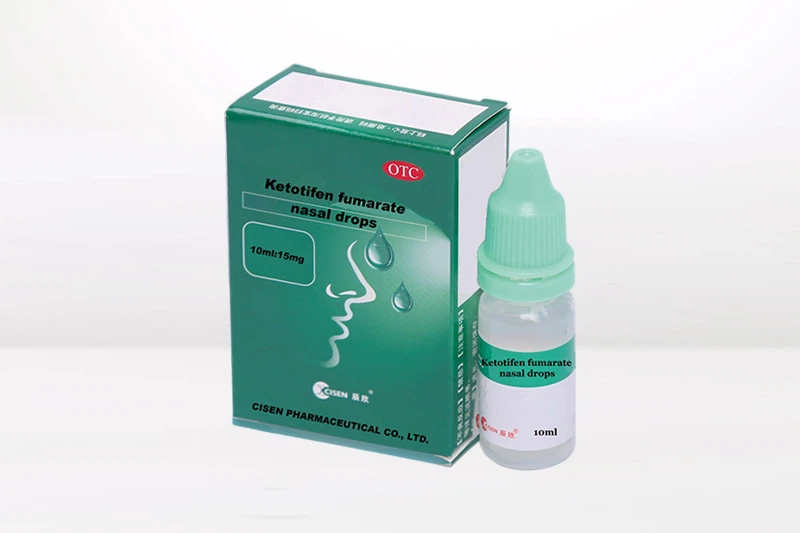
- Mast cell stabilizers: These drugs prevent mast cells from releasing histamine and other chemicals. They are often used as a preventive measure for people with chronic allergic conditions. Ketotifen Fumarate Nasal Drops are an example of a mast cell stabilizer. They can be used to prevent allergic rhinitis symptoms, but their effectiveness in treating peanut allergies is limited as they mainly act on the nasal mucosa and may not be able to prevent systemic allergic reactions caused by peanut ingestion.
- Epinephrine: Epinephrine is the first - line treatment for anaphylaxis, a severe and potentially life - threatening allergic reaction. It works by constricting blood vessels, relaxing the muscles in the airways, and increasing blood pressure. People with known peanut allergies are often prescribed epinephrine auto - injectors (such as EpiPen) to carry with them at all times in case of a severe allergic reaction.
Using Antiallergic Medicine for Peanut Allergies
- Mild to Moderate Reactions: For mild to moderate allergic reactions to peanuts, such as mild skin itching, hives, or nasal symptoms, antihistamines can be effective. They can be taken orally as soon as the symptoms appear. If the reaction involves the skin, a topical corticosteroid cream can also be applied to reduce itching and inflammation. However, it is important to note that these medications only treat the symptoms and do not address the underlying allergic response.
- Severe Reactions (Anaphylaxis): In the case of severe peanut - induced anaphylaxis, epinephrine is the most important treatment. It should be administered immediately at the first sign of anaphylaxis, such as difficulty breathing, swelling of the face or throat, or a sudden drop in blood pressure. After administering epinephrine, the person should be taken to the emergency room for further treatment, which may include additional doses of epinephrine, intravenous fluids, and corticosteroids.
- Preventive Use: Mast cell stabilizers and some antihistamines can be used as a preventive measure in some cases. For example, if a person with a peanut allergy knows they will be in an environment where there is a high risk of peanut exposure (such as a party with many peanut - containing snacks), taking an antihistamine before the event may help reduce the severity of the reaction if exposure occurs. However, this is not a substitute for strict avoidance of peanuts and having epinephrine on hand.
Limitations and Considerations
It is important to understand that while antiallergic medications can help manage the symptoms of peanut allergies, they do not cure the allergy. The best way to prevent a peanut - allergic reaction is to avoid peanuts and peanut - containing products. Reading food labels carefully, asking about ingredients when eating out, and being vigilant in social settings are crucial steps for people with peanut allergies.
Moreover, the effectiveness of antiallergic medications can vary from person to person. Some individuals may have a stronger or weaker response to a particular medication. In addition, there is always a risk of side effects associated with antiallergic drugs. For example, antihistamines can cause drowsiness, and corticosteroids can have long - term side effects on the body's immune system, bone density, and metabolism.
Our Role as an Antiallergic Medicine Supplier
As a supplier of antiallergic medicine, we understand the importance of providing high - quality products to help people manage their allergic conditions. We offer a wide range of antiallergic medications, including antihistamines, corticosteroids, and mast cell stabilizers. Our products are sourced from reputable manufacturers and are subject to strict quality control measures to ensure their safety and effectiveness.
We also provide educational resources to help people understand their allergies and how to use our products properly. We work closely with healthcare professionals to ensure that our products are used in accordance with the latest medical guidelines. If you are a healthcare provider or a distributor interested in our antiallergic medicine products, we welcome you to contact us for more information and to discuss potential procurement opportunities. Whether you are looking for medications to treat mild allergic symptoms or to manage severe anaphylactic reactions, we have the products and expertise to meet your needs.
In conclusion, while antiallergic medications can play a role in managing peanut allergies, they should be used in conjunction with strict avoidance measures and under the guidance of a healthcare professional. Epinephrine remains the most important treatment for severe peanut - induced anaphylaxis. As a supplier of antiallergic medicine, we are committed to providing safe and effective products to help people with peanut allergies and other allergic conditions lead healthier lives. If you are interested in our antiallergic medicine products, please feel free to reach out to us to start a procurement discussion.
References
- Boyce, J. A., Assa'ad, A., Burks, A. W., Jones, S. M., Sampson, H. A., Wood, R. A., … & Muraro, A. (2010). Guidelines for the diagnosis and management of food allergy in the United States: summary of the NIAID - sponsored expert panel report. The Journal of Allergy and Clinical Immunology, 126(6), 1105 - 1118.
- Simons, F. E. R. (2018). Glucocorticoids for the treatment of anaphylaxis: a systematic review. The Journal of Allergy and Clinical Immunology, 142(2), 397 - 404.
- Sicherer, S. H., & Sampson, H. A. (2014). Food allergy. The Journal of Allergy and Clinical Immunology, 133(1), 29 - 38.