


As a supplier of antiallergic medicine, I often receive inquiries from pet owners about using our products to treat their furry friends' allergies. This is a topic that combines my passion for providing effective medical solutions and my love for animals. In this blog post, I'll explore the question of whether antiallergic medicine can be used for pet allergies, diving into the science, potential risks, and considerations.
Understanding Pet Allergies
Just like humans, pets can suffer from a variety of allergies. These allergies can be triggered by environmental factors such as pollen, dust mites, and mold, as well as by certain foods or flea bites. Symptoms of pet allergies may include itching, redness, swelling, sneezing, coughing, and digestive issues. Allergies can significantly impact a pet's quality of life, causing discomfort and potentially leading to more serious health problems if left untreated.
Similarities and Differences between Human and Pet Allergies
There are some similarities between human and pet allergies. Both are immune system responses to allergens, and the underlying biological mechanisms share commonalities. For example, the release of histamine, a chemical that causes many of the allergy symptoms, occurs in both humans and animals when they are exposed to an allergen.
However, there are also important differences. Pets have different metabolisms and body chemistries compared to humans. Their bodies may process medications differently, and they may be more or less sensitive to certain substances. Additionally, the way allergies present in pets can vary from species to species. For instance, dogs are more likely to have skin allergies, while cats may experience respiratory or digestive issues more frequently.
Can Human Antiallergic Medicine be Used for Pets?
The short answer is that in some cases, certain antiallergic medications used for humans can be used for pets, but it should only be done under the guidance of a veterinarian. Many antihistamines, which are commonly used to treat allergies in humans, have been studied and used in veterinary medicine. These medications work by blocking the effects of histamine, reducing symptoms such as itching and sneezing.
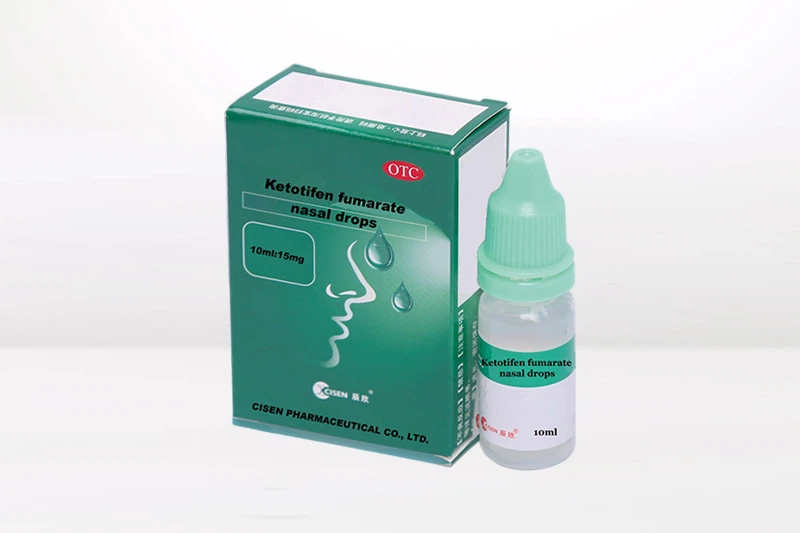
One example of an antiallergic medication that has been used in both humans and pets is Ketotifen Fumarate Nasal Drops. Ketotifen is an antihistamine and mast cell stabilizer that can help prevent the release of histamine and other inflammatory mediators. In humans, it is often used to treat allergic rhinitis. In pets, it may potentially be used to treat certain allergic conditions, but the dosage and administration must be carefully determined by a veterinarian.
Risks of Using Human Antiallergic Medicine in Pets
While some human antiallergic medications may be safe for pets, there are significant risks associated with using them without proper veterinary advice. Incorrect dosages can lead to serious side effects, including lethargy, vomiting, diarrhea, tremors, and in severe cases, even organ damage or death. Some medications that are safe for humans may be toxic to pets. For example, certain decongestants and non - steroidal anti - inflammatory drugs (NSAIDs) can be extremely harmful to dogs and cats.
The Importance of Veterinary Consultation
A veterinarian is the best resource when it comes to treating a pet's allergies. They can accurately diagnose the type of allergy and recommend the most appropriate treatment. A veterinary examination may include skin tests, blood tests, or elimination diets to determine the specific allergen. Based on the diagnosis, the veterinarian can prescribe the right medication, at the correct dosage, and provide instructions on how to administer it.
Our Antiallergic Medicine for Pets
As an antiallergic medicine supplier, we understand the importance of providing safe and effective products for both humans and animals. We work closely with veterinarians and researchers to develop and test our products for use in veterinary medicine. Our range of antiallergic medications is formulated to meet the specific needs of pets, taking into account their unique physiology and metabolism.
Quality and Safety
We adhere to strict quality control standards in the manufacturing of our antiallergic medicines. Our products are made from high - quality ingredients and are rigorously tested for purity, potency, and safety. We understand that pets are part of the family, and we are committed to providing medications that will help them live healthy and happy lives.
Customized Solutions
We recognize that every pet is different, and their allergy treatment should be tailored to their individual needs. Our team of experts can work with veterinarians to provide customized treatment plans for pets with allergies. Whether it's a dog with a severe skin allergy or a cat with respiratory issues, we have the knowledge and resources to offer effective solutions.
How to Contact Us for Pet Allergy Medicine
If you are a veterinarian or a pet owner interested in learning more about our antiallergic medicine for pets, we encourage you to reach out to us. We are happy to provide information about our products, answer any questions you may have, and discuss potential treatment options. While we cannot provide medical advice, we can offer insights into the benefits and proper use of our medications.
Conclusion
In conclusion, while there is a possibility of using certain antiallergic medicines for pet allergies, it should always be done under the supervision of a veterinarian. Our company, as an antiallergic medicine supplier, is dedicated to providing high - quality products and support for the treatment of pet allergies. By working together with veterinarians, we can ensure that our furry friends receive the best possible care.
References
- Bonagura, J. D., & Twedt, D. C. (Eds.). (2019). Kirk's Current Veterinary Therapy: Small Animal Practice. Elsevier.
- Ettinger, S. J., & Feldman, E. C. (Eds.). (2019). Textbook of Veterinary Internal Medicine: Diseases of the Dog and Cat. Elsevier.
- Plumb, D. C. (2019). Plumb's Veterinary Drug Handbook. Wiley - Blackwell.