


Pollen allergies, also known as hay fever or allergic rhinitis, are a common health issue that affects millions of people worldwide. When the immune system overreacts to pollen, it releases histamine and other chemicals, leading to symptoms such as sneezing, runny nose, itchy eyes, and nasal congestion. Antiallergic medicines are often considered as a solution to relieve these symptoms. As an antiallergic medicine supplier, I'd like to explore whether antiallergic medicine can be effectively used for pollen allergies.
How Antiallergic Medicines Work
Antiallergic medicines work in different ways to counteract the allergic response. The most common types of antiallergic medications include antihistamines, decongestants, corticosteroids, and mast cell stabilizers.
Antihistamines block the action of histamine, which is the chemical released by the immune system during an allergic reaction. By preventing histamine from binding to its receptors, antihistamines can relieve symptoms like itching, sneezing, and a runny nose. There are two generations of antihistamines. First - generation antihistamines, such as diphenhydramine, can cause drowsiness because they can cross the blood - brain barrier. Second - generation antihistamines, like loratadine and cetirizine, are less likely to cause drowsiness and are often preferred for daytime use.
Decongestants work by constricting the blood vessels in the nasal passages, reducing swelling and congestion. They can be taken orally or used as nasal sprays. However, long - term use of nasal decongestant sprays can lead to a rebound effect, where the congestion worsens when the medication is stopped.
Corticosteroids reduce inflammation in the nasal passages by suppressing the immune response. Nasal corticosteroid sprays, such as fluticasone and mometasone, are commonly prescribed for pollen allergies. They are effective in relieving nasal congestion, sneezing, and itching, and are often recommended as a first - line treatment.
Mast cell stabilizers, like cromolyn sodium, prevent the release of histamine and other chemicals from mast cells. They are usually used as a preventive measure, taken before exposure to pollen, and are less effective in treating acute symptoms.
Effectiveness of Antiallergic Medicines for Pollen Allergies
The effectiveness of antiallergic medicines for pollen allergies depends on several factors, including the type of medication, the severity of the allergy, and the individual's response to the treatment.
Antihistamines are generally effective in relieving mild to moderate symptoms of pollen allergies, such as sneezing, itching, and a runny nose. They can provide quick relief, usually within an hour of taking the medication. However, they may not be as effective in treating nasal congestion.
Decongestants can provide rapid relief of nasal congestion, but their use should be limited to short - term treatment. Oral decongestants may have side effects such as increased blood pressure and insomnia, while nasal decongestant sprays can cause rebound congestion if used for more than a few days.
Corticosteroid nasal sprays are highly effective in treating all symptoms of pollen allergies, including nasal congestion, sneezing, itching, and a runny nose. They are often recommended for long - term use, especially for people with severe or persistent allergies. However, it may take a few days to a week for the full effect of corticosteroid nasal sprays to be seen.
Mast cell stabilizers are most effective when used preventively. They can help reduce the frequency and severity of allergic symptoms if taken regularly before the pollen season starts. However, they are not as effective as other medications in treating acute symptoms.
Considerations When Using Antiallergic Medicines for Pollen Allergies
Before using antiallergic medicines for pollen allergies, it is important to consider several factors.
First, it is essential to consult a healthcare provider, especially if you have other health conditions, are taking other medications, or are pregnant or breastfeeding. Some antiallergic medications may interact with other drugs or have side effects that can be harmful in certain situations.
Second, it is important to follow the instructions on the medication label carefully. This includes the recommended dosage, frequency of use, and any precautions or warnings. Overdosing on antiallergic medications can lead to serious side effects, such as drowsiness, dizziness, and rapid heartbeat.
Third, it is important to be aware of the potential side effects of antiallergic medications. As mentioned earlier, first - generation antihistamines can cause drowsiness, while decongestants can increase blood pressure and cause insomnia. Corticosteroid nasal sprays may have side effects such as nasal irritation, nosebleeds, and a sore throat.
A Specific Example: Ketotifen Fumarate Nasal Drops
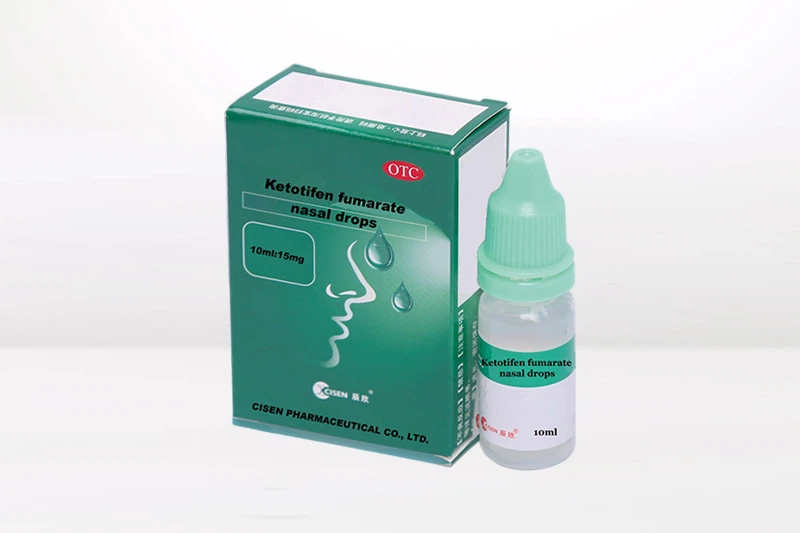
One of the products we supply is Ketotifen Fumarate Nasal Drops. Ketotifen is a mast cell stabilizer and antihistamine. It works by preventing the release of histamine and other allergic mediators from mast cells, as well as blocking the action of histamine on its receptors.
Ketotifen Fumarate Nasal Drops can be an effective option for pollen allergies. They can help relieve symptoms such as sneezing, itching, and a runny nose. They are also relatively safe, with few side effects. However, like other mast cell stabilizers, they are more effective when used preventively, before the onset of allergic symptoms.
Conclusion
In conclusion, antiallergic medicines can be effectively used for pollen allergies. Different types of antiallergic medications work in different ways to relieve the symptoms of pollen allergies, and the choice of medication depends on the individual's symptoms, the severity of the allergy, and other factors. As an antiallergic medicine supplier, we offer a range of products, including antihistamines, decongestants, corticosteroids, and mast cell stabilizers, to meet the diverse needs of our customers.
If you are suffering from pollen allergies and are interested in exploring our antiallergic medicine products, we encourage you to contact us for more information and to discuss potential procurement opportunities. We are committed to providing high - quality antiallergic medications to help you manage your pollen allergy symptoms effectively.
References
- National Institute of Allergy and Infectious Diseases. "Allergic Rhinitis." Accessed [date].
- Mayo Clinic. "Hay Fever (Allergic Rhinitis)." Accessed [date].
- American Academy of Allergy, Asthma & Immunology. "Allergic Rhinitis." Accessed [date].