


Can antiallergic medicine be used for raspberry allergies?
Raspberry allergies are not as commonly discussed as some other food allergies, but they can cause a range of uncomfortable and potentially serious symptoms. As an antiallergic medicine supplier, I often encounter questions about the effectiveness of our products in treating various types of allergies, including those related to raspberries. In this blog, I'll explore whether antiallergic medicine can be used for raspberry allergies, and discuss some of the key considerations.
Understanding Raspberry Allergies
Raspberry allergies occur when the immune system mistakenly identifies proteins in raspberries as harmful invaders. When a person with a raspberry allergy consumes raspberries or comes into contact with them, the immune system releases chemicals such as histamine to fight off the perceived threat. This immune response can lead to a variety of symptoms, which can range from mild to severe.
Mild symptoms of a raspberry allergy may include itching or swelling of the lips, tongue, or throat, hives, and nasal congestion. More severe reactions can include difficulty breathing, wheezing, abdominal pain, vomiting, and in extreme cases, anaphylaxis, a life - threatening allergic reaction that requires immediate medical attention.
How Antiallergic Medicine Works
Antiallergic medicines work by either blocking the effects of histamine or reducing the immune system's over - reaction. There are several types of antiallergic medications available, including antihistamines, corticosteroids, and mast cell stabilizers.
Antihistamines are perhaps the most well - known type of antiallergic medicine. They work by binding to histamine receptors in the body, preventing histamine from attaching to these receptors and triggering an allergic reaction. This helps to relieve symptoms such as itching, swelling, and sneezing.
Corticosteroids, on the other hand, work by reducing inflammation in the body. They can be used to treat more severe allergic reactions, as they have a powerful anti - inflammatory effect. Mast cell stabilizers prevent mast cells from releasing histamine and other chemicals that cause allergic symptoms.
Using Antiallergic Medicine for Raspberry Allergies
In many cases, antiallergic medicine can be effective in treating the symptoms of a raspberry allergy. For mild allergic reactions, over - the - counter antihistamines can often provide relief. These medications are available in various forms, such as tablets, capsules, and liquids, and can be taken orally.
For example, if a person experiences itching and hives after eating raspberries, taking an antihistamine can help to reduce these symptoms. The antihistamine will block the histamine receptors in the skin, preventing the itching and reducing the appearance of hives.
However, it's important to note that antiallergic medicine is mainly used to treat the symptoms of an allergic reaction, rather than the underlying allergy itself. If a person has a severe raspberry allergy, they should avoid raspberries altogether to prevent an allergic reaction from occurring in the first place.
In cases of more severe allergic reactions, such as anaphylaxis, antiallergic medicine alone may not be sufficient. Anaphylaxis requires immediate treatment with epinephrine, which is a hormone that can quickly reverse the life - threatening symptoms of anaphylaxis. After the initial treatment with epinephrine, antihistamines and corticosteroids may be used to further manage the symptoms and prevent a recurrence.
Our Antiallergic Medicine Offerings
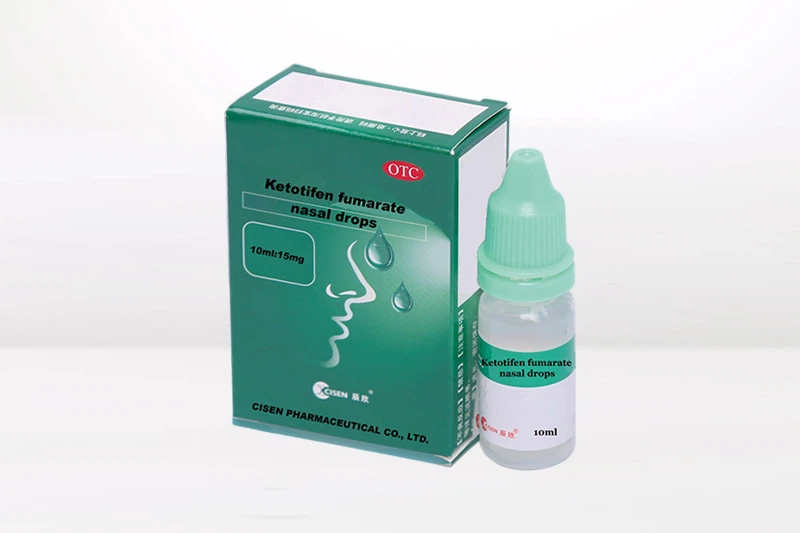
As an antiallergic medicine supplier, we offer a wide range of products to treat various types of allergies, including those related to raspberries. One of our popular products is Ketotifen Fumarate Nasal Drops. These nasal drops are a type of antihistamine that can be used to relieve nasal congestion, itching, and sneezing caused by allergies.
Ketotifen Fumarate Nasal Drops work by blocking the histamine receptors in the nasal passages, reducing the inflammation and congestion associated with allergic rhinitis. They are easy to use and can provide quick relief from allergy symptoms.
In addition to nasal drops, we also offer oral antihistamines, corticosteroid creams, and other antiallergic medications. Our products are carefully formulated to ensure their safety and effectiveness, and we work closely with medical professionals to ensure that our products meet the highest standards of quality.
Considerations When Using Antiallergic Medicine
Before using any antiallergic medicine, it's important to consult with a healthcare professional. They can help to determine the most appropriate treatment for your specific allergy symptoms and provide guidance on how to use the medicine safely and effectively.
Some antiallergic medications may cause side effects, such as drowsiness, dry mouth, or dizziness. It's important to be aware of these potential side effects and to take the medicine as directed. If you experience any severe or unusual side effects, you should stop taking the medicine and seek medical attention immediately.
It's also important to note that antiallergic medicine may interact with other medications you are taking. For example, some antihistamines can interact with certain antidepressants or blood pressure medications. Therefore, it's important to inform your healthcare professional about all the medications you are currently taking before starting any new antiallergic medicine.
Contact Us for Procurement
If you are interested in purchasing our antiallergic medicine products for the treatment of raspberry allergies or other types of allergies, we encourage you to contact us. Our team of experts can provide you with detailed information about our products, including their features, benefits, and usage instructions. We can also work with you to develop a customized procurement plan that meets your specific needs.
Whether you are a healthcare provider, a pharmacy, or an individual looking for effective antiallergic medicine, we are here to help. Don't let allergies hold you back - take control of your allergy symptoms with our high - quality antiallergic medicine products.
References
- American Academy of Allergy, Asthma & Immunology. (2023). Food Allergies. Retrieved from [AAAI website]
- Mayo Clinic. (2023). Allergies. Retrieved from [Mayo Clinic website]
- World Allergy Organization. (2023). Global Guidelines for Allergic Disease Management. Retrieved from [WAO website]