


Electrolytes are essential minerals in our bodies that carry an electric charge. They play a crucial role in various physiological processes, including nerve function, muscle contraction, maintaining fluid balance, and regulating the body's pH levels. Common electrolytes include sodium, potassium, calcium, magnesium, chloride, and bicarbonate. When there is an imbalance in these electrolytes, it can lead to a range of symptoms, and one such symptom is numbness and tingling.
Understanding Electrolyte Imbalance
Electrolyte imbalance occurs when the levels of these minerals in our body deviate from the normal range. This can happen due to several reasons. Dehydration is a common cause; when we lose more fluids than we take in, the concentration of electrolytes in our body can become too high. On the other hand, over - hydration can dilute the electrolytes, leading to low levels.
Certain medical conditions can also disrupt electrolyte balance. For example, kidney diseases can affect the body's ability to regulate electrolyte levels as the kidneys are responsible for filtering and excreting excess electrolytes. Hormonal disorders, such as hyperthyroidism or Addison's disease, can also impact electrolyte metabolism. Additionally, medications like diuretics, which are often prescribed to treat high blood pressure, can cause the body to lose electrolytes through increased urine production.
How Electrolyte Imbalance Causes Numbness and Tingling
Numbness and tingling, also known as paresthesia, are often related to nerve dysfunction. Electrolytes are vital for proper nerve impulse transmission. Nerves use electrical signals to communicate with different parts of the body, and electrolytes are involved in generating and propagating these signals.
Calcium
Calcium is essential for nerve cell excitability. When calcium levels in the blood drop below normal (hypocalcemia), the nerve cells become more excitable. This increased excitability can lead to abnormal nerve firing, resulting in numbness and tingling, usually felt in the fingers, toes, and around the mouth. In severe cases, it can also cause muscle cramps and spasms. Our Calcium Gluconate Injection Electrolyte can be a reliable solution to replenish calcium levels and help restore normal nerve function.
Potassium
Potassium is involved in maintaining the resting membrane potential of nerve cells. A decrease in potassium levels (hypokalemia) can disrupt the normal electrical activity of nerves. This can lead to paresthesia, along with muscle weakness and fatigue. On the other hand, high potassium levels (hyperkalemia) can also cause nerve and muscle problems, including numbness and tingling. Potassium balance is crucial for the proper functioning of the nervous system, and ensuring an adequate supply of potassium through appropriate electrolyte products is essential.
Magnesium
Magnesium plays a role in regulating calcium and potassium channels in nerve cells. Low magnesium levels (hypomagnesemia) can cause similar symptoms to hypocalcemia and hypokalemia, such as numbness and tingling. Magnesium deficiency can also exacerbate calcium and potassium imbalances, further disrupting nerve function.
Recognizing the Symptoms
Numbness and tingling can present in different ways. It may feel like a pins - and - needles sensation, a dull ache, or a loss of sensation in a particular area. The symptoms can be intermittent or constant, and they may worsen with movement or pressure. In some cases, the numbness and tingling may be accompanied by other symptoms related to the underlying electrolyte imbalance. For example, if the imbalance is due to dehydration, a person may also experience thirst, dry mouth, and decreased urine output.

It's important to note that numbness and tingling can also be caused by other conditions, such as nerve compression (e.g., carpal tunnel syndrome), diabetes, or vitamin B12 deficiency. Therefore, a proper medical diagnosis is necessary to determine the exact cause of these symptoms.
Diagnosis and Treatment
If a person experiences persistent numbness and tingling, they should seek medical attention. A doctor will typically perform a physical examination and order blood tests to measure the levels of electrolytes in the body. Based on the test results, the doctor can diagnose the electrolyte imbalance and develop an appropriate treatment plan.
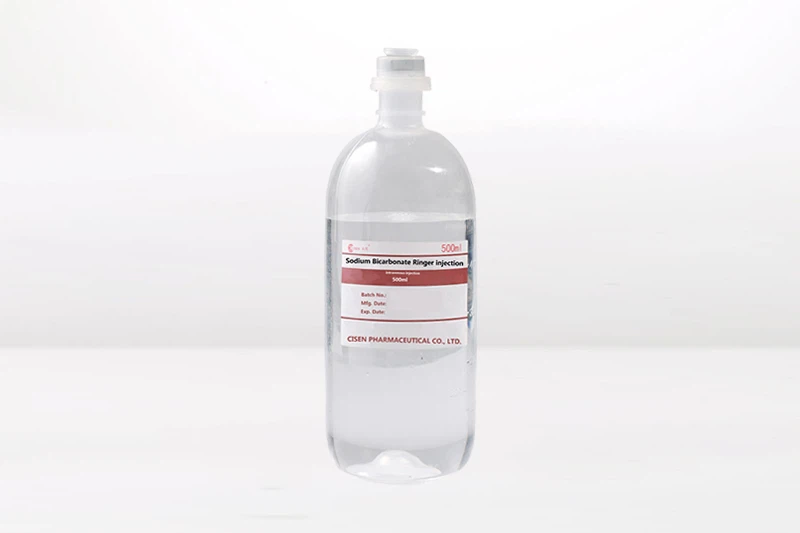
Treatment usually involves correcting the underlying cause of the imbalance. If it is due to dehydration, rehydration with fluids containing electrolytes is recommended. In cases where the imbalance is severe, electrolyte replacement therapy may be necessary. This can be in the form of oral supplements or intravenous (IV) infusions. Our Sodium Chloride and Glucose Infusion and Sodium Bicarbonate Ringer Injection are high - quality electrolyte products that can be used in such treatment scenarios.
The Role of an Electrolyte Supplier
As an electrolyte supplier, we understand the importance of providing high - quality electrolyte products. Our products are formulated to meet the specific needs of patients with electrolyte imbalances. We ensure strict quality control in the manufacturing process to guarantee the purity and efficacy of our electrolytes.
We work closely with medical professionals to ensure that our products are used appropriately in the treatment of electrolyte - related conditions. Our team of experts is available to provide technical support and answer any questions regarding the use and administration of our electrolyte products.
Contact for Procurement
If you are a medical institution, a pharmacy, or an individual interested in purchasing our electrolyte products, we invite you to contact us for procurement and further discussions. Our commitment is to provide you with the best electrolyte solutions to address electrolyte imbalances and improve patient health.
References
- Harrison's Principles of Internal Medicine. 20th edition. McGraw - Hill Education.
- Textbook of Nephrology. 6th edition. Lippincott Williams & Wilkins.
- Journal of Clinical Endocrinology and Metabolism. Various issues related to electrolyte metabolism and disorders.