


Sodium, a crucial player in the realm of electrolytes, plays multifaceted and indispensable roles in the human body. As an established electrolyte supplier, I am well - versed in the science behind sodium and its significance, which I will delve into in this blog.
The Basics of Sodium as an Electrolyte
To understand the role of sodium, we first need to comprehend what an electrolyte is. Electrolytes are substances that dissociate into ions when dissolved in water, enabling them to conduct electricity. In the human body, they are found in bodily fluids such as blood, plasma, and intracellular fluid. Sodium (Na⁺) is the primary extracellular cation, meaning it is mainly found outside the cells.
Maintenance of Fluid Balance
One of the most fundamental roles of sodium is maintaining fluid balance within the body. This is based on the principle of osmosis, which is the movement of water from an area of lower solute concentration to an area of higher solute concentration. Since sodium is a major solute in extracellular fluid, it creates an osmotic gradient. When the sodium concentration in the extracellular fluid changes, water moves in or out of the cells to maintain equilibrium.
For instance, if a person consumes a large amount of salt (sodium chloride) without sufficient water intake, the sodium concentration in the extracellular fluid increases. As a result, water is drawn out of the cells into the extracellular space to dilute the sodium, causing the cells to shrink. Conversely, if sodium levels in the extracellular fluid are too low, water moves into the cells, causing them to swell. This delicate balance is essential for proper cell function and overall physiological well - being.
Nerve Impulse Transmission
Nerve impulses are electrical signals that travel along nerve cells, allowing the body to communicate and respond to stimuli. Sodium plays a pivotal role in this process. At rest, the inside of a nerve cell has a negative charge compared to the outside, creating a resting membrane potential. When a nerve cell is stimulated, sodium channels in the cell membrane open, allowing sodium ions to rush into the cell.
This sudden influx of sodium ions changes the electrical charge inside the cell, making it more positive. This change in charge, known as depolarization, generates an action potential, which is the nerve impulse. The action potential then travels along the nerve fiber, transmitting the signal. After the action potential has passed, sodium channels close, and potassium channels open to restore the resting membrane potential. This process is known as repolarization. Without an adequate supply of sodium, nerve impulse transmission would be impaired, leading to problems such as muscle weakness, numbness, and even paralysis.
Muscle Contraction
Sodium is also essential for muscle contraction. Similar to nerve cells, muscle cells have a resting membrane potential. When a muscle is stimulated to contract, an action potential is generated, which travels along the muscle cell membrane. This triggers the release of calcium ions from the sarcoplasmic reticulum inside the muscle cell.
Sodium is involved in the initiation and propagation of the action potential in muscle cells. The influx of sodium ions during depolarization helps to spread the electrical signal throughout the muscle fiber, allowing for coordinated muscle contraction. In addition, sodium - potassium pumps in the muscle cell membrane are constantly working to maintain the proper balance of sodium and potassium ions, which is necessary for repeated muscle contractions. A deficiency in sodium can lead to muscle cramps, weakness, and reduced muscle performance.
Acid - Base Balance
Another important role of sodium is in maintaining the body's acid - base balance. Sodium bicarbonate, a compound containing sodium, is a key component of the body's buffer system. Buffers are substances that help to resist changes in pH by accepting or donating hydrogen ions.
In the blood, sodium bicarbonate reacts with carbonic acid (formed from carbon dioxide and water) to form sodium carbonate and carbon dioxide. This reaction helps to regulate the pH of the blood, keeping it within a narrow range of 7.35 - 7.45. If the blood becomes too acidic, the bicarbonate ions can accept hydrogen ions to raise the pH. If the blood becomes too alkaline, carbonic acid can donate hydrogen ions to lower the pH. This buffering system is essential for the proper functioning of enzymes and other biological molecules in the body.
Sodium in Medical Applications
Sodium - based electrolytes have a wide range of medical applications. Sodium Chloride Infusion Electrolyte is commonly used in intravenous (IV) therapy to replenish fluids and electrolytes in patients who are dehydrated, have low blood volume, or have electrolyte imbalances. It can also be used to clean wounds and as a diluent for other medications.
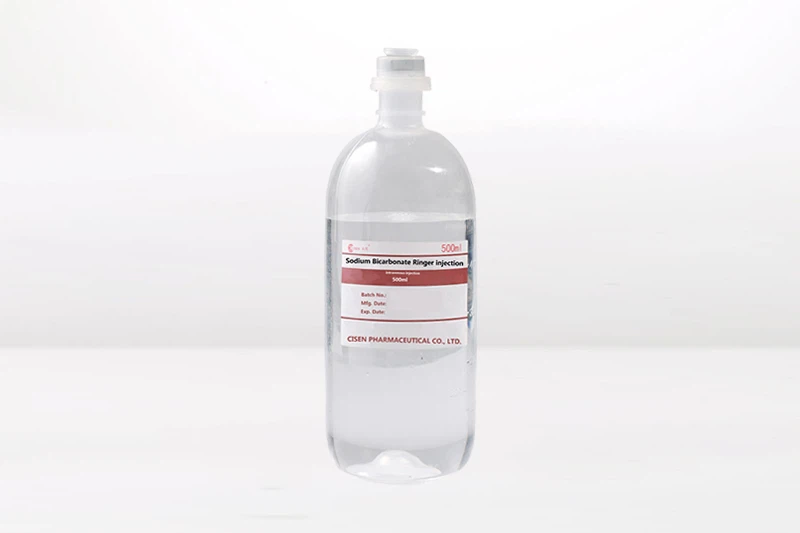
Sodium Bicarbonate Ringer Injection is another important medical product. It contains sodium bicarbonate, along with other electrolytes such as potassium, calcium, and chloride. This injection is used to treat metabolic acidosis, a condition in which the body produces too much acid or loses too much bicarbonate. It can also be used to alkalinize the urine, which is beneficial in treating certain types of drug overdoses and kidney stones.
Sodium and Dietary Considerations
While sodium is essential for the body, excessive sodium intake can have negative health effects. High sodium consumption is associated with an increased risk of high blood pressure, heart disease, and stroke. The World Health Organization recommends that adults consume less than 2 grams (about 1 teaspoon) of sodium per day, which is equivalent to about 5 grams of salt.

As an electrolyte supplier, we understand the importance of providing high - quality sodium - based electrolytes while also promoting healthy consumption. Our products are carefully formulated to meet the specific needs of different applications, whether it is for medical use or sports nutrition.
The Role in Sports and Fitness
In the world of sports and fitness, sodium is crucial for maintaining performance and preventing dehydration. During intense physical activity, the body loses sodium through sweating. If sodium is not replenished, it can lead to a decrease in blood volume, which can impair cardiovascular function and reduce exercise capacity.
Sports drinks often contain sodium, along with other electrolytes such as potassium and magnesium, to help athletes rehydrate and replace lost electrolytes. These drinks are designed to be absorbed quickly by the body, allowing for rapid replenishment of fluids and electrolytes. Our company offers a range of electrolyte products specifically formulated for sports and fitness applications, ensuring that athletes can perform at their best.
Contact for Procurement
If you are interested in purchasing high - quality electrolyte products, including those containing sodium, we invite you to contact us for a procurement discussion. Our team of experts is ready to assist you in finding the right products for your needs. We offer competitive prices, reliable delivery, and excellent customer service. Whether you are a medical institution, a sports nutrition company, or a distributor, we are committed to providing you with the best electrolyte solutions.
References
- Guyton, A. C., & Hall, J. E. (2006). Textbook of Medical Physiology. Elsevier Saunders.
- Sherwood, L. (2012). Human Physiology: From Cells to Systems. Brooks/Cole, Cengage Learning.
- American Heart Association. (2023). Sodium and Your Health. Retrieved from the American Heart Association website.