


Quinolones are a well - known class of synthetic antibacterial agents that have been used widely in the medical field for decades. As a quinolones supplier, I often get asked about the potential side - effects of these drugs, and one question that keeps cropping up is: "Do quinolones affect the liver?" Let's dive deep into this topic and find out.
What are Quinolones?
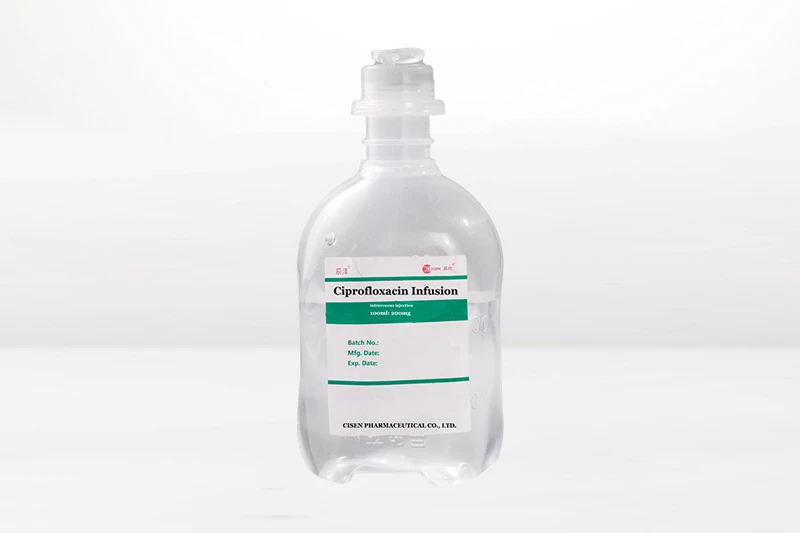
Quinolones are a group of antibiotics that work by inhibiting the bacterial DNA gyrase and topoisomerase IV enzymes. This prevents bacteria from replicating and repairing their DNA, ultimately killing them off. They're effective against a wide range of bacteria, including both Gram - positive and Gram - negative ones. You can find them in various forms like tablets, infusions, and eye or ear drops. For instance, we offer Lomefloxacin Hydrochloride Ear Drops which are great for treating ear infections, Ciprofloxacin Infusion Antifungal Medicine for more severe systemic infections, and Moxifloxacin Hydrochloride Eye Drops Antifungal Medicine for eye infections.

How the Liver Comes into Play
The liver is like the body's chemical factory and detox center. It processes drugs, including quinolones. When you take a quinolone antibiotic, it enters your bloodstream and makes its way to the liver. The liver enzymes then start to break it down into smaller, more easily excretable substances. This process is important because it allows the body to get rid of the drug efficiently. But sometimes, this breakdown process can cause problems.
Evidence of Liver Effects
There have been reports indicating that quinolones can have an impact on the liver. Some patients taking quinolone antibiotics have experienced liver - related side - effects. These can range from mild, transient changes in liver function tests to more severe cases of hepatitis.
Mild effects often show up as small increases in liver enzymes, such as alanine transaminase (ALT) and aspartate transaminase (AST). These enzymes are normally found inside liver cells, and when the liver is stressed or damaged, they leak into the bloodstream, causing the levels to rise. Most of the time, these increases are temporary and go back to normal once the treatment is stopped.
However, in rare cases, quinolones can cause more serious problems. There have been instances of acute hepatitis, which is inflammation of the liver. Symptoms of acute hepatitis can include fatigue, yellowing of the skin and eyes (jaundice), dark urine, and abdominal pain. It's important to note that these serious side - effects are quite rare, but they still need to be taken seriously.
Factors Affecting Liver Impact
Several factors can influence whether a person will experience liver problems while taking quinolones.
- Dosage: Higher doses of quinolones are more likely to strain the liver. Doctors usually try to prescribe the lowest effective dose for the shortest possible time to reduce the risk of side - effects.
- Duration of treatment: The longer a person takes quinolones, the more the liver is exposed to the drug. Prolonged use may increase the chances of liver damage.
- Individual sensitivity: Everyone's body is different, and some people may be more sensitive to the effects of quinolones on the liver. Factors like pre - existing liver disease, genetic predisposition, and concurrent use of other medications can all play a role.
Assessing the Risk
Before prescribing quinolones, doctors typically consider the patient's overall health, including their liver function. They may order liver function tests to establish a baseline and then monitor these tests during treatment. This helps them detect any early signs of liver problems and take appropriate action.
If a patient already has liver disease, they may be at a higher risk of liver - related side - effects from quinolones. In such cases, doctors need to weigh the benefits of using quinolones against the potential risks carefully.
Safety Precautions
If you're prescribed quinolones, here are some things you can do to reduce the risk of liver problems:
- Follow the doctor's instructions: Take the medication exactly as prescribed. Don't skip doses or take more than the recommended amount.
- Tell your doctor about other medications: Let your doctor know about all the other drugs, supplements, and herbal remedies you're taking. Some medications can interact with quinolones and increase the risk of liver damage.
- Report any symptoms: If you experience any symptoms like fatigue, yellowing of the skin or eyes, dark urine, or abdominal pain while taking quinolones, tell your doctor right away.
Our Commitment as a Supplier
As a quinolones supplier, we're committed to providing high - quality products. We work closely with manufacturers to ensure that our quinolone antibiotics meet strict quality and safety standards. We also stay updated on the latest research and information about the potential side - effects of quinolones, including their impact on the liver.
If you're in the market for quinolone products and have any concerns about their safety or liver - related effects, we're here to help. Our team can provide you with detailed information and answer any questions you may have. We understand that safety is a top priority when it comes to medications, and we're dedicated to helping you make informed decisions.
Conclusion
So, do quinolones affect the liver? The answer is that they can. In most cases, the effects are mild and reversible, but in rare instances, more serious liver problems can occur. The key is to use quinolones responsibly, under the guidance of a healthcare professional.
If you're interested in purchasing quinolone products such as our Lomefloxacin Hydrochloride Ear Drops, Ciprofloxacin Infusion Antifungal Medicine, or Moxifloxacin Hydrochloride Eye Drops Antifungal Medicine, and want to discuss further, feel free to reach out. We're always ready to have a conversation about your needs and how our products can fit into your medical requirements.
References
- Chalasani N, Fontana RJ, Bonkovsky HL, et al. Causes, clinical features, and outcomes from a prospective study of drug - induced liver injury in the United States. Gastroenterology. 2008;135(6):1924 - 1934.
- Andrade RJ, Lucena MI, Fernandez MC, et al. Drug - induced liver injury: an analysis of 461 incidences submitted to the Spanish registry over a 10 - year period. Gastroenterology. 2005;129(2):512 - 521.