


Allergies can be a real nuisance, causing a range of uncomfortable symptoms from sneezing and itching to more severe reactions. Antiallergic medicines are a common solution to manage these symptoms, but a question that often comes up is, "How long does it take for antiallergic medicine to work?" As a supplier of antiallergic medicine, I've encountered this query numerous times, and in this blog, I'll delve into the factors that influence the onset of action of these medications and provide a general timeline for different types of antiallergic drugs.
Factors Affecting the Onset of Action
Several factors can influence how quickly an antiallergic medicine starts to work. Understanding these factors can help patients set realistic expectations and use the medication effectively.
Type of Medication
There are different classes of antiallergic medications, each with its own mechanism of action and onset time. For example, antihistamines are one of the most commonly used antiallergic drugs. They work by blocking the action of histamine, a chemical released by the body during an allergic reaction. First - generation antihistamines, such as diphenhydramine, tend to work relatively quickly, often within 30 minutes to an hour. However, they can also cause drowsiness. Second - generation antihistamines, like loratadine and cetirizine, are non - sedating and usually start to work within 1 to 3 hours.
Another type of antiallergic medication is corticosteroids. These drugs reduce inflammation in the body and are often used for more severe allergic reactions or long - term management of allergies. Nasal corticosteroids, for example, may take several days to a week to reach their full effect, although some patients may notice a reduction in symptoms within a few hours to a couple of days.
Route of Administration
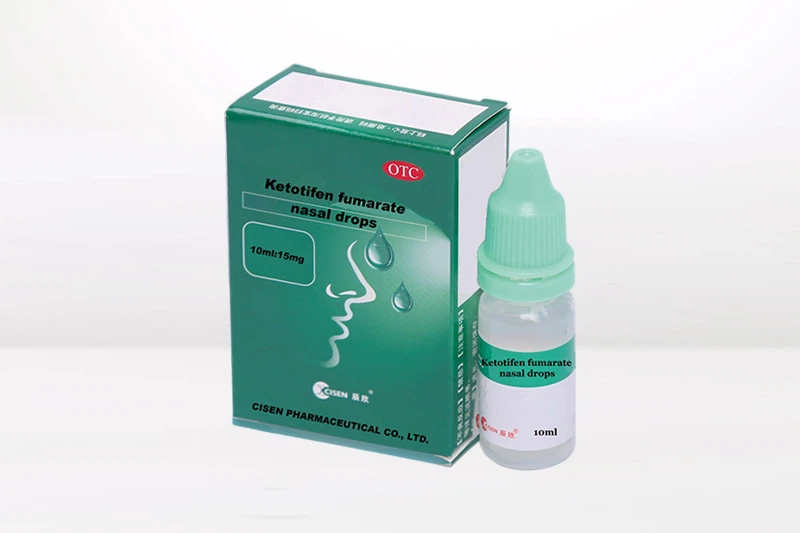
The way the medication is taken also plays a significant role in how quickly it works. Oral medications, such as tablets or capsules, need to be digested and absorbed into the bloodstream before they can start working. This process can take some time, especially if the stomach is full. On the other hand, topical medications, like creams or ointments, act directly on the affected area and can start to relieve symptoms more quickly. Nasal sprays and eye drops are also fast - acting because they are applied directly to the site of the allergic reaction. For instance, Ketotifen Fumarate Nasal Drops are designed to be used directly in the nose, and they can provide rapid relief from nasal allergy symptoms such as itching, sneezing, and runny nose.
Severity of the Allergic Reaction
The severity of the allergic reaction can impact the time it takes for the medicine to work. In mild allergic reactions, the body's immune response is less intense, and the medication may be able to control the symptoms more quickly. In more severe cases, where the immune system is in overdrive, it may take longer for the medication to bring the reaction under control. For example, if a person has a severe allergic asthma attack, it may take several doses of medication over a period of hours or even days to fully relieve the symptoms.
Individual Variations
Everyone's body is different, and individual factors such as age, weight, metabolism, and overall health can affect how quickly a person responds to antiallergic medicine. For example, children may metabolize medications more quickly than adults, which could potentially lead to a faster onset of action. People with certain health conditions, such as liver or kidney disease, may have a slower metabolism, which could delay the effectiveness of the medication.
General Timeline for Different Types of Antiallergic Medicines
Antihistamines
- First - generation antihistamines: As mentioned earlier, these drugs typically start to work within 30 minutes to an hour. Their rapid onset of action makes them a good choice for immediate relief of allergic symptoms. However, due to their sedating effects, they are often used at night or when the patient can afford to rest.
- Second - generation antihistamines: These non - sedating antihistamines usually take 1 to 3 hours to start working. They provide long - lasting relief, often up to 24 hours, and are a popular choice for daily use in the management of allergies.
Corticosteroids
- Nasal corticosteroids: For nasal allergies, it may take a few hours to a couple of days to notice a reduction in symptoms. However, it can take up to a week for the full effect to be achieved. These medications are often used for long - term management of allergic rhinitis.
- Oral corticosteroids: When taken orally, corticosteroids can start to work within a few hours, but their full effect may not be seen for 1 to 2 days. They are usually prescribed for more severe allergic reactions or in cases where other medications have not been effective.
Mast Cell Stabilizers
Mast cell stabilizers, such as cromolyn sodium, work by preventing the release of histamine and other chemicals from mast cells. They are often used as a preventive measure for allergies. It may take several days to weeks of regular use before the full benefits are noticed.
Importance of Proper Use and Patient Education
As a supplier of antiallergic medicine, I understand the importance of proper use and patient education. It's crucial for patients to follow the prescribed dosage and administration instructions carefully. For example, nasal sprays should be used correctly to ensure that the medication reaches the target area in the nose. If a patient stops taking the medication too soon because they don't see immediate results, they may not get the full benefit of the treatment.
Patient education also includes setting realistic expectations about the onset of action of the medication. By explaining the factors that influence how quickly the medicine works, patients can better understand why it may take some time for their symptoms to improve. This can help reduce frustration and ensure that patients continue to take the medication as prescribed.
Conclusion
In conclusion, the time it takes for antiallergic medicine to work depends on several factors, including the type of medication, route of administration, severity of the allergic reaction, and individual variations. While some medications can provide rapid relief within minutes to hours, others may take days to weeks to reach their full effect. As a supplier of antiallergic medicine, I'm committed to providing high - quality products and ensuring that patients have the information they need to use them effectively.
If you're interested in learning more about our antiallergic medicine products or have any questions about their use, please don't hesitate to contact us for a procurement discussion. We're here to help you find the right solutions for allergy management.
References
- Goodman & Gilman's The Pharmacological Basis of Therapeutics, 13th Edition
- Mayo Clinic: Allergies - Diagnosis and Treatment
- UpToDate: Management of Allergic Rhinitis