


Allergic vasculitis, also known as hypersensitivity vasculitis, is a group of disorders characterized by inflammation and damage to blood vessels due to an allergic reaction. The condition can affect various organs and tissues in the body, leading to a wide range of symptoms, including skin rashes, joint pain, abdominal pain, and kidney problems. Effective treatment of allergic vasculitis often involves the use of antiallergic medicines to reduce the immune system's overreaction and alleviate symptoms. As a trusted antiallergic medicine supplier, we are well - versed in the different types of antiallergic medications suitable for allergic vasculitis.
Antihistamines
Antihistamines are among the most commonly used antiallergic medications. They work by blocking the action of histamine, a chemical released by the body's immune cells during an allergic reaction. Histamine causes blood vessels to dilate, leading to symptoms such as itching, swelling, and redness.
- First - generation antihistamines: Drugs like diphenhydramine and chlorpheniramine are first - generation antihistamines. They are effective in relieving allergic symptoms but often cause drowsiness and other side effects, such as dry mouth, blurred vision, and urinary retention. These side effects can limit their use, especially for patients who need to remain alert during the day.
- Second - generation antihistamines: Loratadine, cetirizine, and fexofenadine are second - generation antihistamines. They are less likely to cause drowsiness compared to first - generation drugs. They are suitable for long - term use and can help control the itching and skin rashes associated with allergic vasculitis. For example, cetirizine has been shown to provide rapid relief of allergic symptoms and has a relatively long duration of action.
Corticosteroids
Corticosteroids are powerful anti - inflammatory and immunosuppressive drugs. They can reduce inflammation in blood vessels and suppress the overactive immune response in allergic vasculitis.
- Systemic corticosteroids: Prednisone and prednisolone are commonly used systemic corticosteroids. They are usually prescribed in high doses initially to quickly control the symptoms of severe allergic vasculitis. However, long - term use of systemic corticosteroids can lead to significant side effects, including weight gain, high blood pressure, diabetes, osteoporosis, and increased susceptibility to infections. Therefore, the dosage is gradually tapered down once the symptoms are under control.
- Topical corticosteroids: For milder cases of allergic vasculitis with skin involvement, topical corticosteroids such as hydrocortisone, betamethasone, and clobetasol can be applied directly to the affected skin areas. They can reduce inflammation, itching, and redness. Topical corticosteroids have fewer systemic side effects compared to oral or intravenous corticosteroids, but improper use can still lead to skin thinning, stretch marks, and other local side effects.
Immunosuppressive Drugs
In some cases of severe or refractory allergic vasculitis, immunosuppressive drugs may be used in addition to antihistamines and corticosteroids.
- Cyclophosphamide: This is a powerful immunosuppressive drug that can be used to treat severe cases of allergic vasculitis. It works by suppressing the production of immune cells. However, cyclophosphamide has significant side effects, including bone marrow suppression, increased risk of infections, and potential damage to the bladder.
- Azathioprine: Azathioprine is another immunosuppressive drug that can be used for long - term management of allergic vasculitis. It is better tolerated than cyclophosphamide in many patients. It works by inhibiting the synthesis of DNA, RNA, and proteins in immune cells, thereby reducing the immune response.
Mast Cell Stabilizers
Mast cell stabilizers prevent the release of histamine and other inflammatory mediators from mast cells.
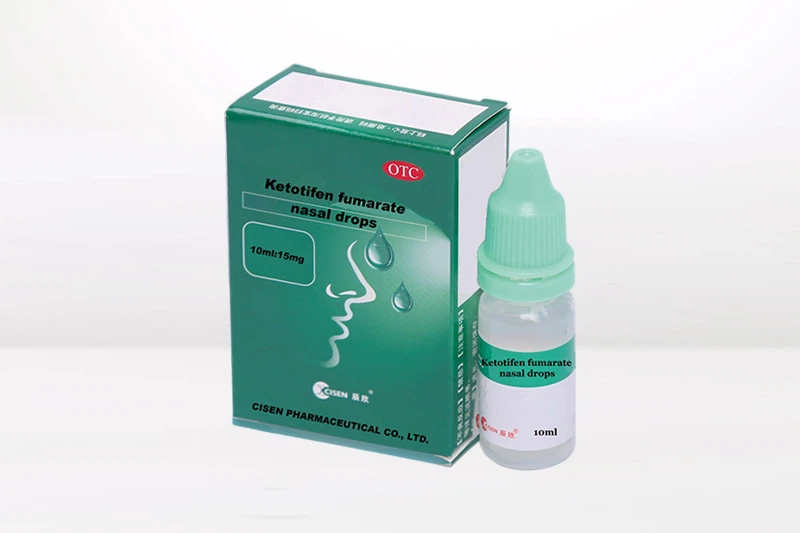
Ketotifen Fumarate Nasal Drops are an example of a mast cell stabilizer. Although they are often used for allergic rhinitis, they can also have a role in treating allergic vasculitis, especially when there is an associated allergic component. Ketotifen can inhibit the degranulation of mast cells, reducing the release of histamine and other pro - inflammatory substances. It has a relatively low side - effect profile and can be used in combination with other antiallergic medications.
Leukotriene Modifiers
Leukotrienes are chemicals produced by the body during an allergic reaction that can cause inflammation, bronchoconstriction, and increased mucus production. Leukotriene modifiers, such as montelukast, can block the action of leukotrienes.
Montelukast has been used in the treatment of allergic diseases, and in some cases of allergic vasculitis, it may help reduce inflammation and improve symptoms. It is generally well - tolerated, with the most common side effects being mild gastrointestinal symptoms and headache.
Choosing the Right Antihistamine Medicine
When choosing antiallergic medicines for allergic vasculitis, several factors need to be considered. The severity of the disease is a crucial factor. Mild cases may be managed with antihistamines and topical corticosteroids, while severe cases may require systemic corticosteroids and immunosuppressive drugs. The patient's age, overall health, and the presence of other medical conditions also play a role. For example, elderly patients may be more susceptible to the side effects of corticosteroids, and patients with kidney problems may need adjusted dosages of certain medications.
As an antiallergic medicine supplier, we understand the importance of providing high - quality medications that meet the specific needs of patients. We source our products from reputable manufacturers and ensure strict quality control. Our range of antiallergic medicines includes all the major classes mentioned above, allowing healthcare providers to have a comprehensive selection for the treatment of allergic vasculitis.
Conclusion
Allergic vasculitis is a complex condition that requires appropriate treatment with antiallergic medicines. Antihistamines, corticosteroids, immunosuppressive drugs, mast cell stabilizers, and leukotriene modifiers all have their roles in managing the disease. As an antiallergic medicine supplier, we are committed to providing healthcare professionals with reliable and effective medications. If you are interested in our antiallergic medicine products for the treatment of allergic vasculitis, we encourage you to contact us for procurement and further discussions. We are here to support you in providing the best possible care for patients with allergic vasculitis.
References
- Jennette JC, Falk RJ, Bacon PA, et al. 2012 Revised International Chapel Hill Consensus Conference Nomenclature of Vasculitides. Arthritis Rheum. 2013;65(1):1 - 11.
- Ozen S, Ruperto N, Dillon MJ, et al. EULAR/PReS endorsed consensus criteria for the classification of childhood vasculitis. Ann Rheum Dis. 2010;69(5):798 - 806.
- Wallace CA, Allen NB, Nowak - Gottl U, et al. Treatment of childhood vasculitis: a systematic literature review for the 2018 update of the EULAR/PRINTO/PRES recommendations for the management of childhood vasculitis. Ann Rheum Dis. 2019;78(1):112 - 122.