


Aquagenic urticaria is an extremely rare and challenging form of physical urticaria. Unlike other types of urticaria, it is triggered by contact with water, regardless of its temperature, purity, or source. This condition can cause significant discomfort and distress to those affected, as even the simplest activities like bathing, washing hands, or being caught in the rain can lead to the development of itchy, red hives on the skin. As an antiallergic medicine supplier, I understand the urgent need for effective treatments for this condition. In this blog, I will explore the various antiallergic medicines that can be used to manage aquagenic urticaria.
Understanding Aquagenic Urticaria
Before delving into the antiallergic medications, it's crucial to understand the nature of aquagenic urticaria. The exact cause of this condition remains unknown, but it is believed to be related to an immune system overreaction. When water comes into contact with the skin, it somehow triggers a release of histamine and other inflammatory mediators from mast cells. These substances cause the blood vessels in the skin to dilate, resulting in the characteristic hives, itching, and sometimes swelling.
The symptoms typically appear within a few minutes of water exposure and can last from 15 minutes to several hours. In severe cases, aquagenic urticaria can also cause systemic symptoms such as headache, nausea, and difficulty breathing. Diagnosis of this condition is often challenging, as it requires ruling out other forms of urticaria and conducting specific water provocation tests.
Antiallergic Medicines for Aquagenic Urticaria
Antihistamines
Antihistamines are the cornerstone of treatment for most types of urticaria, including aquagenic urticaria. They work by blocking the action of histamine, which is responsible for many of the symptoms associated with the condition.
- First - generation antihistamines: These include drugs such as diphenhydramine and chlorpheniramine. They are effective in relieving itching and reducing the size of hives. However, they have significant side effects, including drowsiness, dry mouth, and blurred vision. Due to these side effects, their use is often limited, especially for patients who need to remain alert during the day.
- Second - generation antihistamines: These are the preferred choice for long - term management of aquagenic urticaria. Examples include cetirizine, loratadine, and fexofenadine. They are less sedating than first - generation antihistamines and have a longer duration of action. In some cases, higher - than - standard doses of second - generation antihistamines may be prescribed to achieve better control of symptoms, as recommended by the international guidelines for urticaria management.
Mast Cell Stabilizers
Mast cell stabilizers prevent the release of histamine and other inflammatory mediators from mast cells. One such medication is cromolyn sodium. Although it is not commonly used as a first - line treatment for aquagenic urticaria, it can be considered in cases where antihistamines alone are not sufficient. Cromolyn sodium can be applied topically to the skin or taken orally. Topical application may help reduce the local reaction to water exposure, while oral administration may have a more systemic effect.
Corticosteroids
Corticosteroids have potent anti - inflammatory properties and can be used in severe cases of aquagenic urticaria. They work by suppressing the immune system's overreaction. However, long - term use of corticosteroids is associated with many side effects, including weight gain, high blood pressure, diabetes, and increased risk of infections. Therefore, they are usually reserved for short - term use in acute flares of the condition or when other treatments are ineffective.
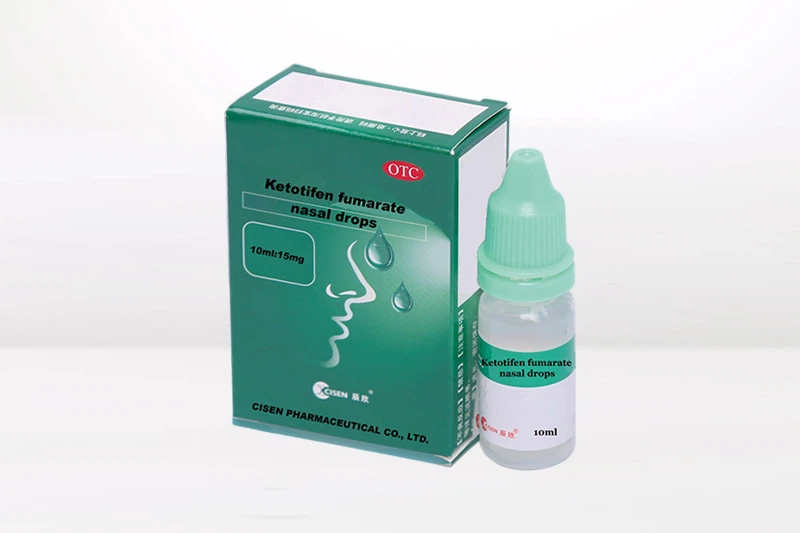
Ketotifen Fumarate Nasal Drops
Ketotifen is another medication that can be beneficial in treating aquagenic urticaria. It has both antihistamine and mast cell - stabilizing properties. Ketotifen Fumarate Nasal Drops can be used in some cases, although they are more commonly associated with treating allergic rhinitis. However, the underlying mechanism of action of ketotifen makes it a potential option for managing the symptoms of aquagenic urticaria by reducing the release of histamine and other mediators.
Treatment Considerations
When treating aquagenic urticaria, a personalized approach is essential. The choice of antiallergic medicine depends on several factors, including the severity of symptoms, the patient's age, and any other underlying medical conditions. For example, children may require different dosages and formulations of medications compared to adults.
In addition to medication, patients with aquagenic urticaria are often advised to take preventive measures. These include using emollients to protect the skin, avoiding prolonged exposure to water, and wearing protective clothing when possible. Some patients may also benefit from desensitization therapy, although this approach is still considered experimental for aquagenic urticaria.
Our Role as an Antiallergic Medicine Supplier
As an antiallergic medicine supplier, we are committed to providing high - quality medications for the treatment of aquagenic urticaria and other allergic conditions. We understand the challenges faced by patients and healthcare providers in managing this rare condition and strive to offer a wide range of products to meet their needs.
Our products are sourced from reliable manufacturers and undergo strict quality control measures to ensure their safety and efficacy. We offer a variety of antihistamines, mast cell stabilizers, and other antiallergic medications at competitive prices. Whether it's a first - generation antihistamine for short - term relief or a second - generation antihistamine for long - term management, we have the right products to help patients manage their symptoms effectively.
Contact Us for Procurement
If you are a healthcare provider, pharmacy, or distributor interested in procuring antiallergic medicines for the treatment of aquagenic urticaria or other allergic conditions, we invite you to contact us for further discussion. We are ready to provide you with detailed product information, pricing, and any other support you may need. Our team of experts is dedicated to ensuring a smooth procurement process and building long - term partnerships with our customers.
References
- Zuberbier, T., Asero, R., Bindslev - Jensen, C., Canonica, G. W., Church, M. K., Gimenez - Arnau, A., … & Weller, K. (2018). International consensus on diagnosing and managing urticaria. Allergy, 73(7), 1393 - 1414.
- Greaves, M. W. (2000). Physical urticarias: A review of pathophysiology, clinical features, and management. Journal of the American Academy of Dermatology, 43(1), 1 - 19.