


Oral allergy syndrome (OAS), also known as pollen-food allergy syndrome, is a common allergic reaction that primarily affects individuals with pollen allergies. When these individuals consume certain raw fruits, vegetables, or nuts, they may experience mild to moderate allergic symptoms in and around the mouth, such as itching, swelling, and tingling. In more severe cases, OAS can lead to systemic reactions, including anaphylaxis, although this is relatively rare. As a trusted antiallergic medicine supplier, we understand the challenges faced by those suffering from OAS and are committed to providing effective solutions.
Understanding Oral Allergy Syndrome
OAS is a type of cross - reactivity allergy. The proteins in some raw fruits, vegetables, and nuts are similar in structure to the proteins in certain pollens. When a person with a pollen allergy ingests these foods, their immune system mistakes the food proteins for the pollen proteins and triggers an allergic response. For example, individuals allergic to birch pollen may experience OAS symptoms when eating apples, cherries, carrots, or hazelnuts. Similarly, those allergic to grass pollen may react to melons, tomatoes, or peaches.
The symptoms of OAS typically occur within minutes of eating the offending food and are usually limited to the oral cavity and throat. They can range from mild itching and tingling of the lips, tongue, and palate to more severe swelling of the lips, tongue, and throat, which can cause difficulty swallowing or breathing. In some cases, OAS may also be accompanied by symptoms such as hives, itching, or swelling in other parts of the body.
Antiallergic Medicines for Oral Allergy Syndrome
Antihistamines
Antihistamines are one of the most commonly used medications for treating OAS. They work by blocking the action of histamine, a chemical released by the immune system during an allergic reaction. Histamine is responsible for many of the symptoms associated with OAS, such as itching, swelling, and redness.
- First - generation antihistamines: These include drugs like diphenhydramine and chlorpheniramine. They are effective in relieving allergic symptoms but often cause drowsiness and other side effects, such as dry mouth, blurred vision, and urinary retention. First - generation antihistamines are usually taken orally and can provide rapid relief of OAS symptoms.
- Second - generation antihistamines: Examples of second - generation antihistamines are loratadine, cetirizine, and fexofenadine. These drugs are less likely to cause drowsiness compared to first - generation antihistamines and have a longer duration of action. They are also available in various formulations, including tablets, capsules, and syrups, making them convenient for different age groups.
Decongestants
Decongestants can be used in combination with antihistamines to relieve nasal congestion, which may sometimes accompany OAS. They work by constricting the blood vessels in the nasal passages, reducing swelling and congestion. Oral decongestants, such as pseudoephedrine, are commonly used, but they can cause side effects such as increased blood pressure, rapid heart rate, and insomnia. Nasal decongestant sprays, such as oxymetazoline, provide more immediate relief but should not be used for more than a few days to avoid rebound congestion.
Mast Cell Stabilizers
Mast cell stabilizers prevent the release of histamine and other inflammatory mediators from mast cells. Cromolyn sodium is a well - known mast cell stabilizer that can be used to treat OAS. It is available as a nasal spray, eye drops, and oral solution. When used regularly, cromolyn sodium can help prevent allergic reactions by stabilizing mast cells and reducing their sensitivity to allergens.
Ketotifen Fumarate Nasal Drops
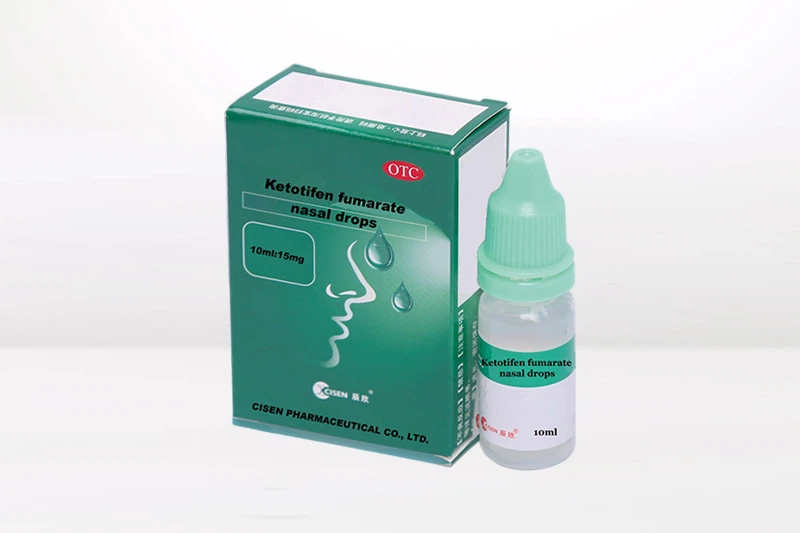
Ketotifen fumarate nasal drops are another option for treating OAS. Ketotifen is a dual - acting antiallergic agent that combines antihistamine and mast cell stabilizing properties. It can help relieve nasal symptoms such as itching, sneezing, and runny nose associated with OAS. By reducing the release of histamine and other inflammatory mediators, ketotifen fumarate nasal drops can provide effective relief of allergic symptoms in the nasal cavity.
Choosing the Right Antiallergic Medicine
The choice of antiallergic medicine for OAS depends on several factors, including the severity of symptoms, the patient's age, and any underlying medical conditions. For mild cases of OAS, a second - generation antihistamine may be sufficient to relieve symptoms. However, in more severe cases or when symptoms are not adequately controlled by antihistamines alone, a combination of medications, such as an antihistamine and a decongestant, may be necessary.
It is also important to consider the potential side effects of the medications. For example, if a patient needs to drive or operate heavy machinery, a non - drowsy second - generation antihistamine may be a better choice than a first - generation antihistamine. In addition, patients with certain medical conditions, such as high blood pressure or heart disease, may need to avoid decongestants due to their potential side effects.
Prevention and Management of Oral Allergy Syndrome
In addition to taking antiallergic medications, there are several strategies that can help prevent and manage OAS:
- Avoidance of Trigger Foods: The most effective way to prevent OAS is to avoid the foods that trigger the allergic reaction. This may require reading food labels carefully and being aware of hidden sources of allergenic foods.
- Cooking Foods: Cooking or processing the offending foods can often reduce or eliminate the allergenic proteins, making them safe to eat. For example, individuals with OAS who are allergic to raw apples may be able to tolerate cooked apples.
- Allergy Testing: Allergy testing can help identify the specific pollens and foods that a person is allergic to. This information can be used to develop a personalized treatment and prevention plan.
Contact Us for Antiallergic Medicines
As a leading antiallergic medicine supplier, we offer a wide range of high - quality antiallergic medications for the treatment of oral allergy syndrome and other allergic conditions. Our products are sourced from reliable manufacturers and undergo strict quality control measures to ensure their safety and efficacy.
If you are a healthcare provider, pharmacy, or distributor interested in purchasing our antiallergic medicines, we invite you to contact us for more information. Our experienced sales team is ready to assist you with your procurement needs and provide you with competitive pricing and excellent customer service. Let's work together to provide effective solutions for those suffering from oral allergy syndrome and other allergic diseases.
References
- Boyce, J. A., Assa'ad, A., Burks, A. W., Jones, S. M., Sampson, H. A., Wood, R. A., ... & Schneider, L. C. (2010). Guidelines for the diagnosis and management of food allergy in the United States: summary of the NIAID - sponsored expert panel report. The Journal of Allergy and Clinical Immunology, 126(6), 1105 - 1118.
- Sicherer, S. H., & Sampson, H. A. (2014). Food allergy. The Journal of Allergy and Clinical Immunology, 133(1), 29 - 38.
- Sicherer, S. H. (2011). Oral allergy syndrome. Pediatric Annals, 40(10), 628 - 634.