


Hey there! As an antiallergic medicine supplier, I've seen firsthand the struggles people go through when dealing with skin allergies. It's no joke – the itching, the redness, the discomfort... it can really put a damper on your day. But don't worry, I'm here to share some of the best antiallergic medicines out there that can help you find relief.
First off, let's talk about what causes skin allergies. There are a ton of things that can trigger them, like pollen, pet dander, certain foods, and even some chemicals in skincare products. When your immune system overreacts to these allergens, it releases histamine, which is what causes all those annoying symptoms.
So, what are the best antiallergic medicines for skin allergies? Well, there are a few different types, and the right one for you depends on the severity of your allergies and your personal preferences.
Antihistamines
Antihistamines are probably the most well-known type of antiallergic medicine. They work by blocking the effects of histamine, which helps to reduce itching, swelling, and redness. There are two main types of antihistamines: first-generation and second-generation.
First-generation antihistamines, like diphenhydramine (Benadryl), are older and can make you drowsy. They're usually taken at night to help you sleep while also relieving your allergy symptoms. Second-generation antihistamines, like loratadine (Claritin) and cetirizine (Zyrtec), are newer and less likely to cause drowsiness. They're great for taking during the day so you can go about your normal activities without feeling sleepy.
I've had a lot of customers who swear by second-generation antihistamines. One lady told me that after trying different remedies for her skin allergies, she finally found relief with loratadine. She said it stopped the itching almost immediately and allowed her to go back to her daily routine without any problems.
Topical Corticosteroids
Topical corticosteroids are creams, ointments, or lotions that are applied directly to the skin. They work by reducing inflammation and suppressing the immune system's response to allergens. These are great for treating mild to moderate skin allergies, especially if the affected area is small.
Hydrocortisone is a common over-the-counter topical corticosteroid that you can buy at most drugstores. It's mild and can be used on the face and other sensitive areas. For more severe allergies, your doctor may prescribe a stronger topical corticosteroid, like betamethasone or clobetasol.
I remember a guy who came to me with a really bad rash on his arm. He'd been using an over-the-counter hydrocortisone cream, but it wasn't working. I recommended he go see a doctor, and the doctor prescribed a stronger topical corticosteroid. After a few days of using it, his rash started to clear up, and he was so happy.
Immunomodulators
Immunomodulators are a newer type of antiallergic medicine that work by changing the way your immune system responds to allergens. They're usually used for people with moderate to severe skin allergies who can't use topical corticosteroids or who haven't had success with other treatments.
One example of an immunomodulator is pimecrolimus (Elidel). It's a cream that's applied to the skin and can help reduce itching and inflammation. Another one is tacrolimus (Protopic), which comes in an ointment form.
I've had a few customers who've used immunomodulators, and they've all said they were really effective. One customer had eczema, which is a type of skin allergy, and she'd tried everything but nothing seemed to work. After using pimecrolimus for a few weeks, her eczema started to improve, and she was able to stop scratching so much.
Other Options
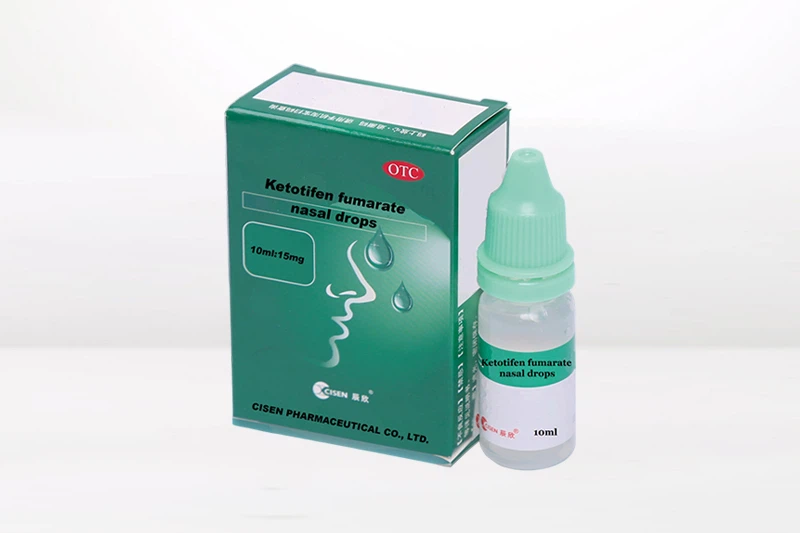
There are also some other antiallergic medicines that can be used for skin allergies, like Ketotifen Fumarate Nasal Drops. While these are typically used for nasal allergies, they can also have some benefits for skin allergies. Ketotifen works by stabilizing mast cells, which are the cells in your body that release histamine. By stabilizing these cells, it can help reduce the amount of histamine that's released, which in turn can help relieve your skin allergy symptoms.
I've had a few customers who've used Ketotifen Fumarate Nasal Drops for their skin allergies, and they've reported some improvement in their itching and redness. Of course, it's always a good idea to talk to your doctor before trying any new medicine.
So, there you have it – some of the best antiallergic medicines for skin allergies. Remember, everyone's body is different, so what works for one person may not work for another. It's important to talk to your doctor or a healthcare professional before starting any new treatment.
If you're looking for high-quality antiallergic medicines, I'm here to help. As a supplier, I have access to a wide range of products that can help you find relief from your skin allergies. Whether you need antihistamines, topical corticosteroids, immunomodulators, or other options, I can provide you with the medicines you need at competitive prices.
If you're interested in learning more or making a purchase, feel free to reach out. I'd be happy to discuss your needs and help you find the right antiallergic medicine for you. Let's work together to get you back to feeling your best!
References
- American Academy of Allergy, Asthma & Immunology. (n.d.). Skin Allergies. Retrieved from [Website URL]
- Mayo Clinic. (n.d.). Skin Allergies: Diagnosis and Treatment. Retrieved from [Website URL]
- National Institute of Allergy and Infectious Diseases. (n.d.). Allergic Skin Conditions. Retrieved from [Website URL]