


Electrolytes are minerals in your body that carry an electric charge. They are essential for a variety of bodily functions, including maintaining fluid balance, regulating muscle contractions, and ensuring proper nerve function. Common electrolytes include sodium, potassium, calcium, magnesium, chloride, and bicarbonate. When these electrolytes are not in the right balance, it can lead to a range of health issues, and one such potential consequence is bloating.

Understanding Electrolyte Imbalance
Electrolyte imbalance occurs when the concentration of electrolytes in your body fluids is either too high or too low. This can happen due to various reasons, such as excessive sweating, diarrhea, vomiting, certain medications, kidney problems, or an improper diet. For instance, if you engage in intense physical activity without replenishing the lost electrolytes, you may end up with an imbalance. Similarly, consuming a diet that is extremely high in salt (sodium) or low in potassium can also disrupt the normal electrolyte levels.
The Link Between Electrolyte Imbalance and Bloating
Sodium and Water Retention
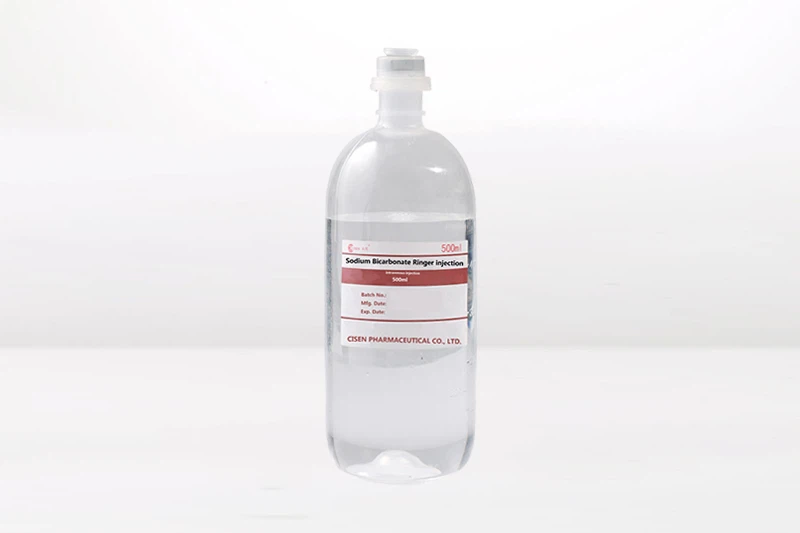
Sodium plays a crucial role in maintaining the body's fluid balance. When there is an excess of sodium in the body, it can cause the body to retain water. This is because the body tries to dilute the high concentration of sodium by holding onto more water. As a result, you may experience bloating, especially in the abdominal area. For example, if you consume a large amount of processed foods, which are often high in sodium, you may notice that your stomach feels distended. Our Sodium Bicarbonate Ringer Injection can help in cases where there is a need to correct sodium imbalances in a clinical setting. It provides a balanced solution of sodium and other electrolytes to restore the proper fluid and electrolyte balance.
Potassium and Digestive Function
Potassium is another important electrolyte that is involved in muscle contractions, including those of the digestive tract. A deficiency in potassium can slow down the movement of food through the intestines, leading to constipation and bloating. The muscles in the digestive system may not contract properly, causing food to move more slowly and gas to build up. Our Potassium Chloride Injection Electrolyte can be used to replenish potassium levels when there is a deficiency. It helps in restoring the normal muscle function in the digestive tract and can alleviate bloating associated with potassium imbalance.
Calcium and Muscle Function
Calcium is essential for proper muscle function, including the smooth muscles in the digestive system. An imbalance in calcium levels can affect the contraction and relaxation of these muscles. If there is too little calcium, the muscles may not contract effectively, leading to a sluggish digestive system and bloating. On the other hand, excessive calcium can also cause problems, as it may lead to muscle spasms in the digestive tract. Our Calcium Gluconate Injection Electrolyte is designed to help maintain the proper calcium levels in the body. It can be used to correct calcium imbalances and support normal digestive muscle function.
Other Factors Contributing to Bloating Alongside Electrolyte Imbalance
It's important to note that electrolyte imbalance is not the only cause of bloating. There are several other factors that can contribute to this uncomfortable symptom. For example, eating too quickly can cause you to swallow air, which can lead to bloating. Certain foods, such as beans, lentils, broccoli, and cabbage, are known to produce gas in the digestive system. Additionally, digestive disorders like irritable bowel syndrome (IBS), lactose intolerance, and celiac disease can also cause bloating. However, electrolyte imbalance can exacerbate these conditions or be a contributing factor in some cases.
Recognizing the Signs of Electrolyte Imbalance
In addition to bloating, there are other signs that may indicate an electrolyte imbalance. These include muscle cramps, weakness, fatigue, irregular heartbeat, dizziness, and confusion. If you experience any of these symptoms along with bloating, it's important to consult a healthcare professional. They can perform tests to determine if there is an electrolyte imbalance and recommend appropriate treatment.
Treatment and Prevention of Electrolyte Imbalance and Bloating
Treatment
If an electrolyte imbalance is detected, the treatment will depend on the specific electrolyte that is out of balance. In some cases, dietary changes may be sufficient to correct the imbalance. For example, increasing the intake of potassium-rich foods like bananas, oranges, and spinach can help in cases of potassium deficiency. In more severe cases, electrolyte supplements or intravenous (IV) fluids may be required. Our electrolyte products, such as the ones mentioned above, are designed to provide a safe and effective way to correct electrolyte imbalances.
Prevention
To prevent electrolyte imbalance and bloating, it's important to maintain a balanced diet. This includes consuming a variety of fruits, vegetables, whole grains, and lean proteins. It's also important to stay hydrated by drinking plenty of water, especially during physical activity or in hot weather. Avoiding excessive consumption of processed foods and sugary drinks can also help in maintaining proper electrolyte levels.
Conclusion
In conclusion, electrolyte imbalance can indeed cause bloating. Sodium, potassium, and calcium are just a few of the electrolytes that can play a role in this process. By understanding the link between electrolyte imbalance and bloating, you can take steps to prevent and treat these conditions. As an electrolyte supplier, we are committed to providing high-quality electrolyte products that can help in maintaining the proper balance of electrolytes in the body. If you are interested in our electrolyte products for medical or other applications, we invite you to contact us for more information and to discuss your procurement needs.
References
- American Heart Association. (2023). Electrolytes: What They Are & Why You Need Them.
- National Institute of Diabetes and Digestive and Kidney Diseases. (2023). Digestive Diseases.
- Mayo Clinic. (2023). Electrolyte Imbalance.