


As a supplier of hypoglycemic medicine, I often receive various inquiries from customers. One common question that has come up recently is, "Can I take hypoglycemic medicine if I have a throat infection?" This is a crucial concern for many diabetic patients, as they need to manage their blood sugar levels while also dealing with other health issues. In this blog post, I will delve into this topic, providing scientific insights and practical advice.
Understanding the Interaction between Throat Infections and Hypoglycemic Medicine
First, let's understand the basic mechanisms of throat infections and hypoglycemic medicine. A throat infection, typically caused by viruses or bacteria, can lead to inflammation and discomfort in the throat. Symptoms may include sore throat, difficulty swallowing, and sometimes fever. These symptoms can affect a patient's eating and drinking habits, which in turn can influence blood sugar levels.

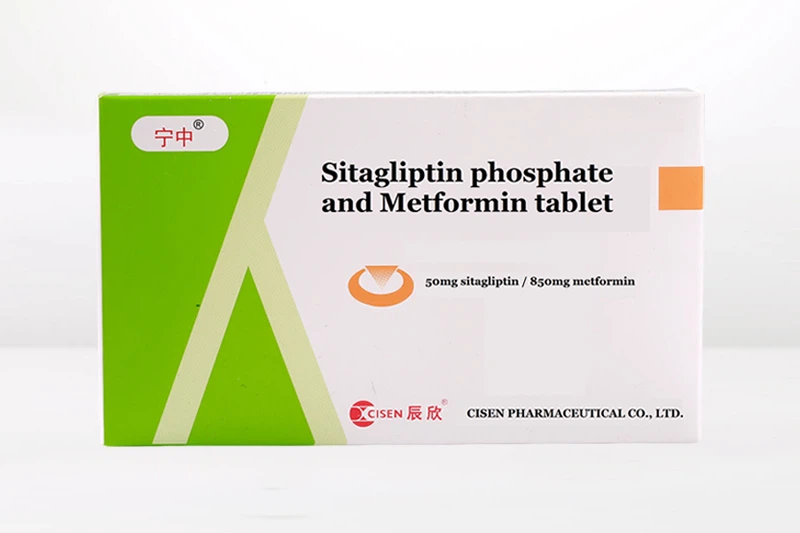
On the other hand, hypoglycemic medicine is designed to lower blood sugar levels in diabetic patients. There are different types of hypoglycemic medicine, each with its own mode of action. For example, Sitagliptin Phosphate Tablet Hypoglycemic works by increasing the levels of incretin hormones, which stimulate the release of insulin and reduce the production of glucose by the liver. Metformin Hydrochloride Sustained Release Tablet helps to improve insulin sensitivity and reduce glucose production in the liver. Sitagliptin Phosphate and Metformin Tablet combines the effects of both sitagliptin and metformin.
The Impact of Throat Infections on Blood Sugar Levels
During a throat infection, the body's immune system is activated to fight off the infection. This immune response can cause an increase in stress hormones, such as cortisol and adrenaline. These hormones can raise blood sugar levels by promoting the breakdown of glycogen (stored glucose) in the liver and reducing insulin sensitivity. Additionally, if a patient has difficulty eating or drinking due to a sore throat, it can lead to fluctuations in blood sugar levels. For example, if a patient eats less than usual, their blood sugar levels may drop, but if they consume sugary drinks or foods to soothe their throat, their blood sugar levels may rise.
Can You Take Hypoglycemic Medicine During a Throat Infection?
In general, it is usually safe to continue taking hypoglycemic medicine during a throat infection. However, it is important to monitor blood sugar levels more closely than usual. If a patient's blood sugar levels are consistently higher than normal, their doctor may need to adjust the dosage of their hypoglycemic medicine. On the other hand, if a patient's blood sugar levels are too low, they may need to reduce the dosage or skip a dose of their medicine.
It is also important to consider the potential interactions between hypoglycemic medicine and any medications used to treat the throat infection. For example, some antibiotics and anti - inflammatory drugs can interact with hypoglycemic medicine, affecting its effectiveness or increasing the risk of side effects. Therefore, it is crucial to inform your doctor about all the medications you are taking, including over - the - counter drugs and herbal supplements.
Practical Tips for Diabetic Patients with Throat Infections
- Monitor Blood Sugar Regularly: Check your blood sugar levels more frequently than usual, especially before and after meals and before going to bed. This will help you and your doctor to make informed decisions about your hypoglycemic medicine dosage.
- Stay Hydrated: Drink plenty of fluids, such as water, herbal tea, and clear broths. This will help to soothe your throat and prevent dehydration, which can also affect blood sugar levels.
- Choose the Right Foods: Opt for soft, easy - to - swallow foods that are also low in sugar. Examples include yogurt, mashed potatoes, and oatmeal. Avoid sugary foods and drinks, as they can cause spikes in blood sugar levels.
- Follow Your Doctor's Advice: Do not change the dosage of your hypoglycemic medicine without consulting your doctor. Your doctor will be able to provide personalized advice based on your specific situation.
Our Role as a Hypoglycemic Medicine Supplier
As a supplier of high - quality hypoglycemic medicine, we understand the importance of providing safe and effective products to our customers. Our products, such as Sitagliptin Phosphate Tablet Hypoglycemic, Metformin Hydrochloride Sustained Release Tablet, and Sitagliptin Phosphate and Metformin Tablet, are manufactured in accordance with strict quality standards. We also provide comprehensive support to our customers, including information about product usage, potential side effects, and interactions.
If you are a pharmacy, healthcare provider, or distributor interested in sourcing high - quality hypoglycemic medicine, we invite you to contact us for procurement and further discussions. We are committed to building long - term partnerships and providing the best solutions for your needs.
Conclusion
In conclusion, diabetic patients can generally continue taking their hypoglycemic medicine during a throat infection, but they need to monitor their blood sugar levels closely and follow their doctor's advice. By understanding the interaction between throat infections and hypoglycemic medicine, patients can better manage their diabetes and recover from their throat infection more effectively. As a reliable supplier of hypoglycemic medicine, we are here to support you in your journey towards better health. If you have any questions or are interested in our products, please feel free to reach out for procurement discussions.
References
- American Diabetes Association. Standards of Medical Care in Diabetes - 2023. Diabetes Care. 2023;46(Suppl 1):S1 - S236.
- Centers for Disease Control and Prevention. Diabetes and Infections. Available at: https://www.cdc.gov/diabetes/library/features/diabetes - infections.html. Accessed [date].
- National Institutes of Health. Managing Diabetes During Illness. Available at: https://www.niddk.nih.gov/health - information/diabetes/managing - diabetes/illness. Accessed [date].