


Amino acids are the building blocks of proteins and play a crucial role in numerous physiological processes within the human body. One of the questions that often arises in the field of nutrition is whether amino acids help with the absorption of nutrients. As a supplier of high - quality amino acids, I'm excited to explore this topic in detail and share the scientific insights.
The Basics of Amino Acids
Amino acids are organic compounds that contain amino and carboxyl functional groups, along with a side chain specific to each amino acid. There are 20 standard amino acids, nine of which are considered essential, meaning the body cannot synthesize them and must obtain them from the diet. These essential amino acids are histidine, isoleucine, leucine, lysine, methionine, phenylalanine, threonine, tryptophan, and valine.
Amino acids are involved in a wide range of functions, including muscle repair and growth, hormone production, and immune system support. They are also integral to the structure and function of enzymes, which are biological catalysts that speed up chemical reactions in the body.
How Amino Acids Influence Nutrient Absorption
1. Enzyme Production
Enzymes are proteins made up of amino acids. Many of these enzymes are involved in the digestion and absorption of nutrients. For example, proteases are enzymes that break down proteins into smaller peptides and amino acids. Amylases break down carbohydrates into simple sugars, and lipases break down fats into fatty acids and glycerol. Without an adequate supply of amino acids, the body may not be able to produce enough of these enzymes, leading to impaired digestion and nutrient absorption.
Amino acids are also required for the synthesis of transport proteins. These proteins are responsible for moving nutrients across cell membranes. For instance, amino acid transporters facilitate the uptake of amino acids themselves, as well as other nutrients such as glucose and vitamins, into cells. By ensuring the proper production of these transport proteins, amino acids help to optimize nutrient absorption.
2. Intestinal Health
The lining of the intestine is constantly being renewed, and amino acids are essential for this process. Glutamine, in particular, is a conditionally essential amino acid that plays a vital role in maintaining the integrity of the intestinal mucosa. It provides energy for the cells lining the gut and helps to prevent the leakage of toxins and bacteria from the gut into the bloodstream. A healthy intestinal lining is crucial for efficient nutrient absorption.
Moreover, amino acids can influence the composition of the gut microbiota. The gut microbiota consists of trillions of bacteria that live in the digestive tract and play a role in digestion, metabolism, and immune function. Some amino acids can serve as substrates for beneficial bacteria, promoting their growth and activity. A balanced gut microbiota is associated with improved nutrient absorption and overall health.
3. Hormone Regulation
Amino acids are involved in the synthesis of hormones that regulate appetite, digestion, and nutrient absorption. For example, cholecystokinin (CCK) is a hormone that is released in response to the presence of food in the small intestine. CCK stimulates the release of digestive enzymes from the pancreas and the contraction of the gallbladder, which aids in the digestion and absorption of fats. Amino acids can influence the production and release of CCK, thereby affecting the efficiency of nutrient absorption.
Evidence from Scientific Studies
Numerous scientific studies have investigated the relationship between amino acids and nutrient absorption. One study found that supplementing with glutamine improved the absorption of zinc in children with diarrhea. Zinc is an essential mineral that is involved in many physiological processes, and its absorption can be impaired during episodes of diarrhea. The addition of glutamine helped to restore the integrity of the intestinal mucosa, leading to better zinc absorption.
Another study focused on the role of branched - chain amino acids (BCAAs) in muscle protein synthesis and nutrient absorption. BCAAs, which include leucine, isoleucine, and valine, have been shown to stimulate muscle protein synthesis. Additionally, they may enhance the absorption of other nutrients by promoting blood flow to the muscles and improving the function of nutrient transporters.
Our Amino Acid Products
As an amino acid supplier, we offer a wide range of high - quality amino acid products to meet the diverse needs of our customers. Our Compound Amino Acid Injection (20AA) contains a balanced blend of 20 amino acids, providing comprehensive nutritional support. It is suitable for patients who have difficulty obtaining adequate nutrition through diet alone, such as those recovering from surgery or suffering from chronic diseases.
Our Compound Amino Acid Injection(18AA - Ⅴ) is specifically formulated to meet the nutritional requirements of patients with liver disease. It contains a unique combination of amino acids that helps to support liver function and improve nitrogen balance.
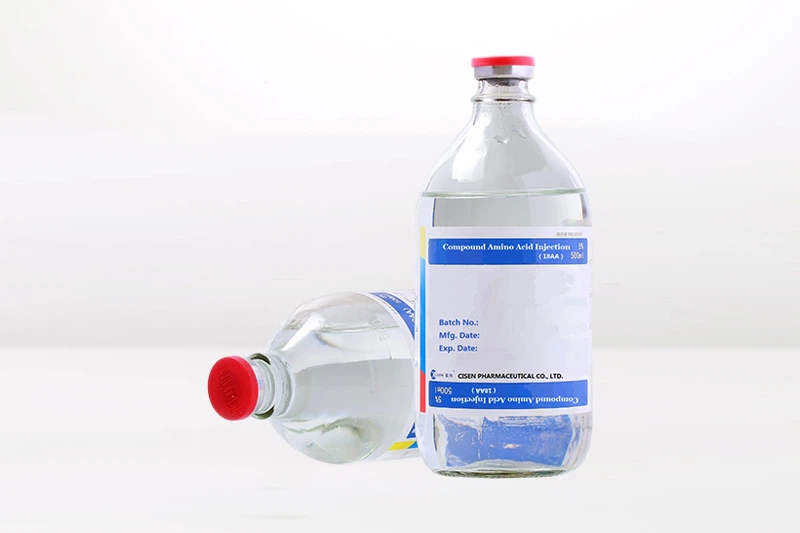

In addition, our Compound Amino Acid Injection(18AA) is a versatile product that can be used for general nutritional support. It is rich in essential and non - essential amino acids, providing the body with the building blocks it needs for optimal health.
Conclusion
In conclusion, amino acids play a significant role in the absorption of nutrients. They are involved in enzyme production, intestinal health, and hormone regulation, all of which are essential for efficient digestion and nutrient uptake. Scientific evidence supports the beneficial effects of amino acids on nutrient absorption, and our high - quality amino acid products are designed to provide the necessary support for optimal health.
If you are interested in learning more about our amino acid products or would like to discuss potential procurement opportunities, please feel free to reach out. We are committed to providing the best products and services to our customers and look forward to the possibility of working with you.
References
- [1] Souba, W. W. (1991). Glutamine and the gut. Annals of Surgery, 214(6), 715 - 728.
- [2] Wolfe, R. R. (2006). The underappreciated role of muscle in health and disease. American Journal of Clinical Nutrition, 84(3), 475 - 482.
- [3] Pencharz, P. B., & Ball, R. O. (2003). Amino acids: metabolism, functions, and nutrition. Amino Acids, 25(1 - 3), 1 - 17.