


In recent years, coconut water has gained significant popularity as a natural beverage, often touted as a great source of electrolytes. As an electrolyte supplier, I've been closely observing this trend and have delved into the scientific aspects to determine whether coconut water truly lives up to its reputation. In this blog post, I'll explore the electrolyte content of coconut water, compare it with other electrolyte sources, and discuss its suitability for different situations.

What Are Electrolytes and Why Do We Need Them?
Electrolytes are minerals in our bodies that carry an electric charge. The primary electrolytes include sodium, potassium, chloride, calcium, magnesium, phosphate, and bicarbonate. These minerals play crucial roles in various bodily functions, such as maintaining proper fluid balance, regulating nerve and muscle function, and supporting heart health.
When we engage in physical activities, especially intense exercise or prolonged sweating, we lose electrolytes through our sweat. This loss can lead to dehydration, muscle cramps, fatigue, and in severe cases, more serious health issues. Therefore, replenishing electrolytes is essential to maintain optimal bodily function, especially during and after physical exertion.
The Electrolyte Content of Coconut Water
Coconut water is the clear liquid found inside young, green coconuts. It is rich in several electrolytes, making it a popular choice for hydration. Here's a breakdown of the key electrolytes found in coconut water:
- Potassium: Coconut water is particularly high in potassium, an electrolyte that helps regulate fluid balance, muscle contractions, and nerve signals. A typical 8-ounce (240 ml) serving of coconut water can contain around 600-700 milligrams of potassium, which is about 17% of the recommended daily intake for adults.
- Sodium: Sodium is another important electrolyte that helps maintain fluid balance and blood pressure. While coconut water does contain sodium, the amount is relatively low compared to other electrolyte beverages. An 8-ounce serving of coconut water typically contains around 25-50 milligrams of sodium, which is about 1-2% of the recommended daily intake.
- Magnesium: Magnesium is involved in over 300 biochemical reactions in the body, including muscle and nerve function, energy production, and bone health. Coconut water contains a moderate amount of magnesium, with an 8-ounce serving providing around 25-30 milligrams, or about 6-8% of the recommended daily intake.
- Calcium: Calcium is essential for strong bones and teeth, as well as muscle function and nerve transmission. Coconut water contains a small amount of calcium, with an 8-ounce serving providing around 20-30 milligrams, or about 2-3% of the recommended daily intake.
Comparing Coconut Water with Other Electrolyte Sources
While coconut water is a good source of electrolytes, it's important to compare it with other electrolyte beverages to determine its effectiveness. Here's how coconut water stacks up against some common electrolyte sources:
- Sports Drinks: Sports drinks are specifically formulated to replenish electrolytes lost during exercise. They typically contain a higher concentration of sodium and carbohydrates than coconut water, which can help improve hydration and provide a quick source of energy. However, sports drinks also tend to be higher in sugar, which can contribute to weight gain and other health issues if consumed in excess.
- Electrolyte Tablets and Powders: Electrolyte tablets and powders are convenient options for replenishing electrolytes on the go. They can be easily mixed with water and provide a concentrated dose of electrolytes. However, some electrolyte tablets and powders may contain artificial sweeteners, flavors, and colors, which may not be suitable for everyone.
- Sodium Bicarbonate Infusion Electrolyte: Sodium Bicarbonate Infusion Electrolyte is a medical-grade electrolyte solution that is used to treat electrolyte imbalances and acid-base disorders. It contains a balanced combination of sodium, potassium, chloride, and bicarbonate, which helps restore the body's electrolyte balance. While sodium bicarbonate infusion electrolyte is not typically used for everyday hydration, it can be a valuable option for individuals with specific medical conditions.
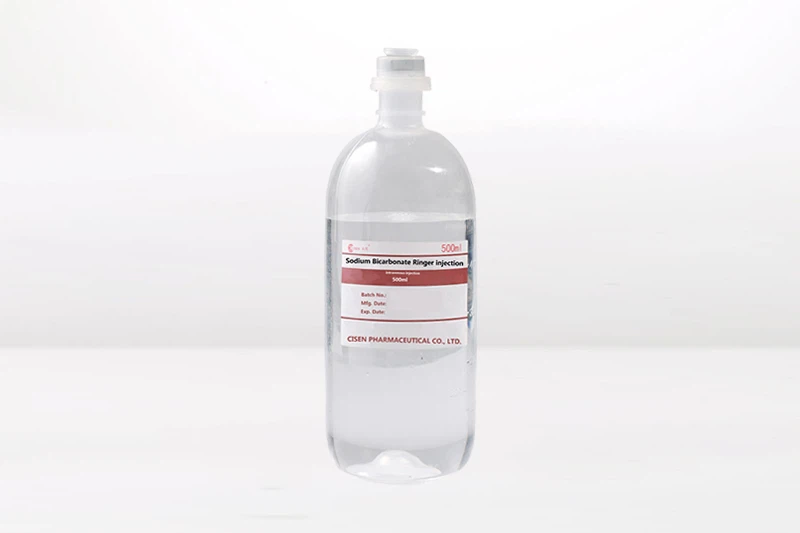
- Sodium Bicarbonate Ringer Injection: Sodium Bicarbonate Ringer Injection is another medical-grade electrolyte solution that is used to treat dehydration and electrolyte imbalances. It contains a similar combination of electrolytes as sodium bicarbonate infusion electrolyte, but also includes lactate, which helps buffer the body's acid-base balance. Sodium bicarbonate ringer injection is commonly used in hospitals and clinics to treat patients with severe dehydration or electrolyte imbalances.
- Sodium Lactate Ringer's Injection: Sodium Lactate Ringer's Injection is a widely used electrolyte solution that is similar to sodium bicarbonate ringer injection. It contains a balanced combination of sodium, potassium, chloride, calcium, and lactate, which helps maintain the body's fluid and electrolyte balance. Sodium lactate ringer's injection is commonly used in surgical procedures, trauma cases, and other medical situations where fluid and electrolyte replacement is necessary.
The Suitability of Coconut Water for Different Situations
Coconut water can be a suitable option for hydration in certain situations, but it may not be the best choice for everyone. Here are some factors to consider when deciding whether coconut water is right for you:
- Exercise Intensity: If you're engaging in light to moderate exercise, such as a 30-minute jog or a yoga class, coconut water can be a good option for hydration. Its high potassium content can help prevent muscle cramps and fatigue, while its natural sugars can provide a quick source of energy. However, if you're engaging in intense exercise, such as a long-distance run or a high-intensity interval training (HIIT) session, you may need a beverage that contains a higher concentration of sodium and carbohydrates to replenish your electrolytes and energy stores.
- Sweat Rate: Everyone's sweat rate is different, and some people may lose more electrolytes through their sweat than others. If you're a heavy sweater, you may need to consume a beverage that contains a higher concentration of sodium to replace the electrolytes lost through sweating. Coconut water may not provide enough sodium to meet your needs, especially if you're sweating heavily for an extended period of time.
- Medical Conditions: If you have certain medical conditions, such as kidney disease, high blood pressure, or diabetes, you may need to be careful about your electrolyte intake. Coconut water contains a moderate amount of potassium, which can be a concern for individuals with kidney disease or high blood pressure. Additionally, coconut water contains natural sugars, which can be a concern for individuals with diabetes. Before consuming coconut water or any other electrolyte beverage, it's important to consult with your healthcare provider to determine if it's safe and appropriate for you.
Conclusion
In conclusion, coconut water is a good source of electrolytes, particularly potassium, magnesium, and calcium. It can be a suitable option for hydration in certain situations, such as light to moderate exercise or when you're looking for a natural alternative to sports drinks. However, it may not be the best choice for everyone, especially if you're engaging in intense exercise, sweating heavily, or have certain medical conditions.
As an electrolyte supplier, I offer a range of high-quality electrolyte products that are designed to meet the needs of different individuals and situations. Whether you're an athlete, a fitness enthusiast, or someone who needs to replenish their electrolytes due to a medical condition, I can help you find the right electrolyte solution for you.
If you're interested in learning more about our electrolyte products or would like to discuss your specific needs, please don't hesitate to contact me. I'd be happy to answer any questions you may have and help you make an informed decision about your electrolyte intake.
References
- Institute of Medicine (US) Committee on Dietary Reference Intakes for Electrolytes and Water. Dietary Reference Intakes for Water, Potassium, Sodium, Chloride, and Sulfate. Washington (DC): National Academies Press (US); 2005.
- Shirreffs SM, Maughan RJ. Regulation of hydration status during exercise. Best Pract Res Clin Endocrinol Metab. 2008 Dec;22(6):925-40.
- Armstrong LE, Casa DJ, Millard-Stafford M, et al. American College of Sports Medicine position stand. Exercise and fluid replacement. Med Sci Sports Exerc. 2007 Jul;39(7):377-90.