


Diet plays a crucial role in the management of diabetes, and it can significantly influence the effectiveness of hypoglycemic medicine. As a supplier of hypoglycemic medicine, I have witnessed firsthand how the right diet can enhance the therapeutic effects of these medications. In this blog, I will explore the relationship between diet and the effectiveness of hypoglycemic medicine, providing insights based on scientific research and practical experience.
Understanding Hypoglycemic Medicines
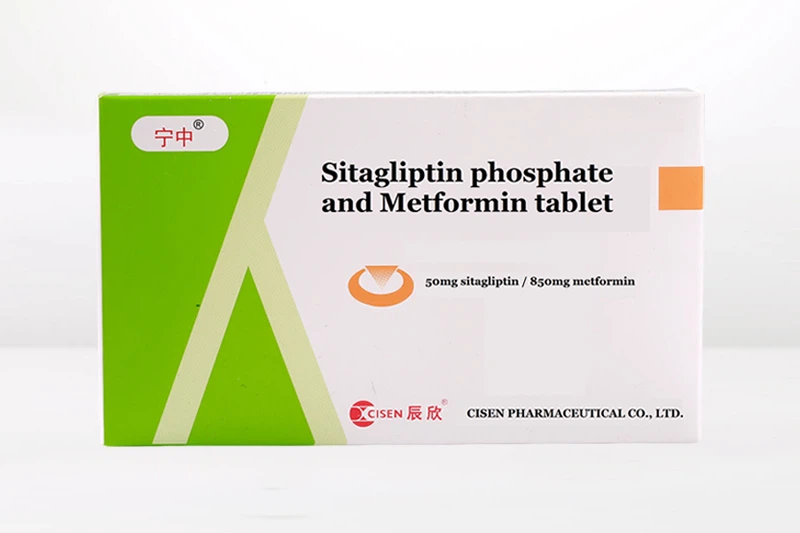
Before delving into the impact of diet, it's important to understand the different types of hypoglycemic medicines available. Some of the commonly prescribed medications include Sitagliptin Phosphate and Metformin Tablet, Sitagliptin Phosphate Tablet Hypoglycemic, and Metformin Hydrochloride and Glipizide Tablets. These medications work in various ways to lower blood sugar levels. For example, metformin reduces glucose production in the liver and improves insulin sensitivity, while sitagliptin helps the body produce more insulin when blood sugar levels are high.
The Role of Diet in Diabetes Management
A balanced diet is the cornerstone of diabetes management. It helps control blood sugar levels, maintain a healthy weight, and reduce the risk of complications. The foods we eat can either complement or interfere with the action of hypoglycemic medicine. Here are some key aspects of diet that can influence the effectiveness of these medications:

Carbohydrate Intake
Carbohydrates have the most significant impact on blood sugar levels. When we consume carbohydrates, they are broken down into glucose, which enters the bloodstream. Hypoglycemic medicines work to regulate this glucose influx. However, if a person consumes an excessive amount of carbohydrates, it can overwhelm the medication's ability to control blood sugar. For instance, a large meal high in refined grains and sugars can cause a rapid spike in blood glucose, making it difficult for the medicine to maintain normal levels. On the other hand, a diet rich in complex carbohydrates, such as whole grains, legumes, and vegetables, is digested more slowly, resulting in a more gradual rise in blood sugar. This allows the hypoglycemic medicine to work more effectively.
Fiber Content
Dietary fiber, especially soluble fiber, can have a positive effect on blood sugar control. Soluble fiber forms a gel-like substance in the digestive tract, which slows down the absorption of carbohydrates and helps regulate blood glucose levels. Foods high in soluble fiber include oats, barley, fruits, and vegetables. When combined with hypoglycemic medicine, a high-fiber diet can enhance the medication's ability to lower blood sugar. Additionally, fiber can also improve insulin sensitivity, further supporting diabetes management.
Fat and Protein Intake
While fat and protein do not directly raise blood sugar levels as much as carbohydrates, they can still influence the effectiveness of hypoglycemic medicine. A diet high in saturated and trans fats can increase insulin resistance, making it more difficult for the body to respond to insulin and the medications. On the other hand, a diet rich in healthy fats, such as those found in avocados, nuts, and olive oil, can improve insulin sensitivity. Protein is also important for maintaining muscle mass and overall health. However, excessive protein intake can sometimes lead to an increase in blood sugar levels, especially in people with diabetes. Therefore, it's important to find the right balance of fat and protein in the diet.
Meal Timing and Frequency
In addition to the types of foods consumed, meal timing and frequency can also affect the effectiveness of hypoglycemic medicine. Taking medications at the right time in relation to meals is crucial. For example, some medications need to be taken with meals to enhance their absorption and effectiveness. Skipping meals or having irregular meal times can disrupt the normal rhythm of blood sugar control and make it more challenging for the medication to work properly.
Eating smaller, more frequent meals throughout the day can also help maintain stable blood sugar levels. This approach prevents large spikes and dips in glucose, allowing the hypoglycemic medicine to work more consistently. It's also important to avoid overeating, as this can lead to high blood sugar levels and put additional stress on the body's ability to regulate glucose.
Case Studies and Clinical Evidence
Numerous studies have demonstrated the impact of diet on the effectiveness of hypoglycemic medicine. For example, a clinical trial involving patients with type 2 diabetes found that those who followed a low-carbohydrate, high-fiber diet in combination with their medications had better blood sugar control compared to those on a standard diet. Another study showed that a diet rich in healthy fats and lean proteins improved insulin sensitivity and reduced the need for higher doses of hypoglycemic medicine.
These findings highlight the importance of a personalized approach to diet and medication management. By understanding the individual's dietary habits, lifestyle, and medical history, healthcare providers can develop a comprehensive treatment plan that maximizes the effectiveness of the hypoglycemic medicine.
Tips for Optimizing Diet and Medication
Based on the above information, here are some practical tips for patients to optimize the effectiveness of their hypoglycemic medicine through diet:
- Work with a Dietitian: A registered dietitian can help create a personalized meal plan that takes into account the patient's specific needs, preferences, and medication regimen.
- Monitor Carbohydrate Intake: Keep track of the amount and type of carbohydrates consumed to ensure they are within the recommended range. This can help prevent sudden spikes in blood sugar.
- Include Fiber-Rich Foods: Incorporate plenty of fruits, vegetables, whole grains, and legumes into the diet to increase fiber intake and improve blood sugar control.
- Choose Healthy Fats and Proteins: Opt for sources of healthy fats, such as avocados, nuts, and seeds, and lean proteins, such as chicken, fish, and tofu.
- Stick to a Regular Meal Schedule: Eat meals and snacks at consistent times each day to maintain stable blood sugar levels and support the action of the medication.
Conclusion
In conclusion, diet plays a vital role in influencing the effectiveness of hypoglycemic medicine. A balanced diet that is rich in complex carbohydrates, fiber, healthy fats, and lean proteins, along with proper meal timing and frequency, can significantly enhance the therapeutic effects of these medications. As a supplier of hypoglycemic medicine, I am committed to providing high-quality products and supporting patients in their journey towards better diabetes management.
If you are interested in learning more about our hypoglycemic medicines or would like to discuss potential purchasing opportunities, please feel free to reach out. Our team of experts is ready to assist you in finding the most suitable solutions for your needs.
References
- American Diabetes Association. (2023). Nutrition Therapy Recommendations for Adults With Diabetes. Diabetes Care, 46(Suppl 1), S32-S43.
- Centers for Disease Control and Prevention. (2023). Healthy Eating for Diabetes. https://www.cdc.gov/diabetes/managing/manage-blood-sugar/healthy-eating.html
- World Health Organization. (2023). Guidelines on Diet, Nutrition and the Prevention of Chronic Diseases. Geneva: World Health Organization.