


Diabetes is a chronic metabolic disorder characterized by elevated blood glucose levels, which can lead to serious health complications if not properly managed. Among the various treatment options available, oral hypoglycemic medicines and insulin are two primary approaches. As a hypoglycemic medicine supplier, I have witnessed firsthand the differences between these two treatment modalities and their impact on patients' lives. In this blog post, I will delve into the key differences between oral hypoglycemic medicine and insulin, including their mechanisms of action, efficacy, safety profiles, and practical considerations.
Mechanisms of Action
Oral hypoglycemic medicines work through various mechanisms to lower blood glucose levels. They can be broadly classified into several categories, each with its own specific mode of action. For example, biguanides, such as metformin, primarily work by reducing glucose production in the liver and improving insulin sensitivity in peripheral tissues. Sulfonylureas stimulate the pancreas to produce more insulin, while meglitinides have a similar effect but with a shorter duration of action. Thiazolidinediones enhance insulin sensitivity in adipose tissue, skeletal muscle, and the liver, and alpha-glucosidase inhibitors slow down the digestion and absorption of carbohydrates in the intestine.
On the other hand, insulin is a hormone produced by the pancreas that regulates blood glucose levels. In patients with diabetes, either the pancreas does not produce enough insulin (type 1 diabetes) or the body's cells do not respond properly to insulin (type 2 diabetes). Insulin therapy involves the exogenous administration of insulin to replace or supplement the body's natural insulin production. Insulin works by facilitating the uptake of glucose into cells, thereby reducing blood glucose levels.
Efficacy
The efficacy of oral hypoglycemic medicines and insulin varies depending on the type and severity of diabetes, as well as individual patient factors. In general, oral hypoglycemic medicines are often the first-line treatment for type 2 diabetes, especially in patients with mild to moderate hyperglycemia. They can effectively lower blood glucose levels and help achieve glycemic control in many patients. However, as the disease progresses, the efficacy of oral hypoglycemic medicines may decline, and additional treatment options, such as insulin, may be required.
Insulin therapy is the mainstay of treatment for type 1 diabetes, as these patients have little or no endogenous insulin production. It is also used in type 2 diabetes when oral hypoglycemic medicines are no longer sufficient to control blood glucose levels. Insulin can provide rapid and significant reduction in blood glucose levels, and it is particularly effective in managing hyperglycemia during acute illness, surgery, or pregnancy.
Safety Profiles
Both oral hypoglycemic medicines and insulin have potential side effects, although the nature and severity of these side effects differ. Oral hypoglycemic medicines can cause a range of side effects, including gastrointestinal disturbances (such as nausea, vomiting, diarrhea), hypoglycemia (low blood glucose levels), weight gain, and, in some cases, liver or kidney problems. The risk of side effects varies depending on the specific class of oral hypoglycemic medicine and the individual patient's characteristics.
Insulin therapy is also associated with several potential side effects. The most common side effect is hypoglycemia, which can occur if too much insulin is administered or if the patient does not eat enough or exercises too much. Other side effects of insulin include weight gain, injection site reactions (such as pain, redness, or swelling), and, rarely, allergic reactions. Long-term use of insulin may also increase the risk of certain complications, such as cardiovascular disease and cancer, although the evidence for these associations is still controversial.
Practical Considerations
In addition to their efficacy and safety profiles, there are several practical considerations when choosing between oral hypoglycemic medicines and insulin. Oral hypoglycemic medicines are generally more convenient to use, as they can be taken by mouth and do not require injections. This makes them a preferred option for many patients, especially those who are not comfortable with needles or have difficulty self-administering injections. However, oral hypoglycemic medicines need to be taken regularly, usually with meals, and they may interact with other medications, which requires careful monitoring and management.
Insulin therapy, on the other hand, requires more frequent monitoring of blood glucose levels and careful adjustment of the insulin dose. It also involves the use of needles and syringes or insulin pens, which can be a barrier for some patients. However, advancements in insulin delivery technology, such as insulin pumps and pen injectors, have made insulin therapy more convenient and user-friendly.

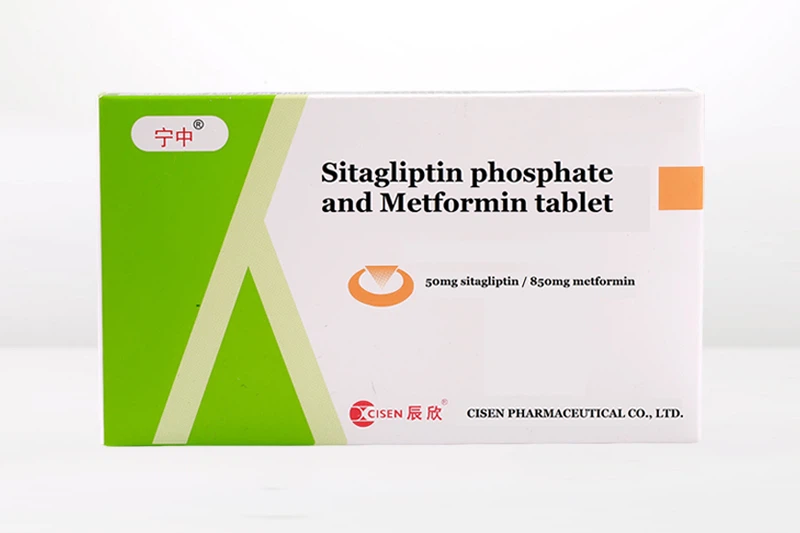
Examples of Oral Hypoglycemic Medicines
As a hypoglycemic medicine supplier, we offer a range of high-quality oral hypoglycemic medicines. For example, Sitagliptin Phosphate and Metformin Tablet combines the benefits of two different classes of oral hypoglycemic medicines. Sitagliptin works by inhibiting the enzyme dipeptidyl peptidase-4 (DPP-4), which increases the levels of incretin hormones and stimulates insulin secretion, while metformin reduces glucose production in the liver and improves insulin sensitivity. This combination therapy can provide more effective glycemic control than either medication alone.
Another product we offer is Sitagliptin Phosphate Tablet Hypoglycemic. Sitagliptin is a DPP-4 inhibitor that helps regulate blood glucose levels by increasing insulin secretion and reducing glucagon secretion. It is a well-tolerated oral hypoglycemic medicine with a low risk of hypoglycemia and weight gain.
Sitagliptin Phosphate and Metformin Tablet and Sitagliptin Phosphate Tablet Hypoglycemic are just two examples of the oral hypoglycemic medicines we supply. We also offer Metformin Hydrochloride and Glipizide Tablets, which combine the effects of metformin and glipizide. Metformin reduces glucose production in the liver and improves insulin sensitivity, while glipizide stimulates the pancreas to produce more insulin. This combination can provide effective glycemic control in patients with type 2 diabetes.
Conclusion
In conclusion, oral hypoglycemic medicines and insulin are two important treatment options for diabetes, each with its own advantages and disadvantages. Oral hypoglycemic medicines are generally more convenient and have a lower risk of hypoglycemia, but they may not be sufficient to control blood glucose levels in all patients. Insulin therapy is more effective in reducing blood glucose levels, especially in patients with type 1 diabetes or severe type 2 diabetes, but it requires more frequent monitoring and careful management.
As a hypoglycemic medicine supplier, we are committed to providing high-quality oral hypoglycemic medicines to meet the diverse needs of patients with diabetes. Our products are backed by rigorous research and development, and they are manufactured in compliance with strict quality standards. If you are interested in learning more about our products or discussing potential procurement opportunities, please feel free to contact us for further information and to initiate a procurement negotiation.
References
- American Diabetes Association. Standards of Medical Care in Diabetes - 2023. Diabetes Care. 2023;46(Suppl 1):S1-S236.
- Inzucchi SE, Bergenstal RM, Buse JB, et al. Management of Hyperglycemia in Type 2 Diabetes, 2018. A Consensus Report by the American Diabetes Association (ADA) and the European Association for the Study of Diabetes (EASD). Diabetes Care. 2018;41(12):2669-2701.
- International Diabetes Federation. IDF Diabetes Atlas, 10th edition. Brussels: International Diabetes Federation; 2021.