


Hypoglycemic medications play a crucial role in managing blood sugar levels for individuals with diabetes. As a supplier of a variety of hypoglycemic medicines, I have been involved in understanding the intricacies of these drugs, including their side - effects. One aspect that has drawn my attention is the potential side - effects on the sense of smell from hypoglycemic medicine.
Understanding Hypoglycemic Medicine
Hypoglycemic medicines are designed to lower blood glucose levels in patients with diabetes. There are different types of these medications, each with its own mechanism of action. For example, metformin works by reducing glucose production in the liver and improving insulin sensitivity. Sulfonylureas, on the other hand, stimulate the pancreas to produce more insulin.
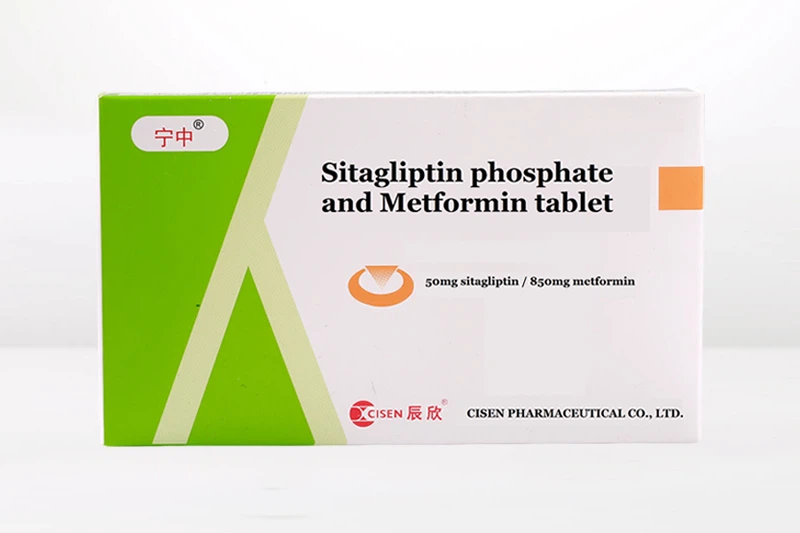

As a supplier, I offer a range of products such as Sitagliptin Phosphate and Metformin Tablet, Metformin Hydrochloride and Glipizide Tablets, and Metformin Hydrochloride Sustained Release Tablet. These medications are widely used due to their effectiveness in controlling blood sugar levels.
The Sense of Smell and Its Importance
The sense of smell is not just about detecting pleasant or unpleasant odors. It is closely linked to our overall well - being. It can influence our appetite, as the aroma of food can stimulate hunger. It also plays a role in our safety, as we can detect the smell of gas leaks, smoke, or spoiled food. Moreover, the sense of smell is intertwined with our memories and emotions. A familiar scent can trigger vivid recollections of past events.
Potential Side - Effects on the Sense of Smell
Some studies have suggested that certain hypoglycemic medications may have an impact on the sense of smell. One possible reason could be the way these drugs interact with the body's nervous system. The olfactory nerve, which is responsible for our sense of smell, can be affected by changes in the body's biochemical environment caused by the medication.
For instance, some patients taking sulfonylureas have reported changes in their sense of smell. These changes can range from a reduced ability to detect odors (hyposmia) to a complete loss of smell (anosmia). In some cases, patients may also experience a distorted sense of smell (parosmia), where they perceive normal odors as unpleasant or different from what they should be.
Metformin, one of the most commonly prescribed hypoglycemic drugs, has also been associated with olfactory disturbances in some rare cases. Although the exact mechanism is not fully understood, it is hypothesized that metformin may interfere with the normal functioning of the olfactory epithelium, the tissue in the nose that contains the smell receptors.
Case Studies and Clinical Evidence
There have been several case studies that document the side - effects on the sense of smell from hypoglycemic medicine. In one study, a group of patients taking a combination of metformin and a sulfonylurea were monitored for olfactory changes. Approximately 10% of the patients reported some degree of hyposmia during the course of the treatment.
Another case involved a patient who started experiencing parosmia shortly after starting a new hypoglycemic medication. After further investigation, it was found that the medication was likely the cause of the olfactory disturbance. Once the medication was discontinued, the patient's sense of smell gradually returned to normal.
However, it is important to note that these cases are relatively rare, and not all patients taking hypoglycemic medicine will experience these side - effects. The occurrence of olfactory disturbances may also be influenced by factors such as the patient's age, overall health, and the duration of the medication use.
Managing the Side - Effects
If a patient experiences changes in their sense of smell while taking hypoglycemic medicine, it is crucial to consult a healthcare provider. The doctor may adjust the dosage of the medication or switch to an alternative drug. In some cases, additional tests may be conducted to rule out other possible causes of the olfactory disturbance, such as sinus infections or head injuries.
Patients can also take some self - care measures to cope with the side - effects. For example, they can use scented candles or essential oils to enhance their ability to detect odors. They should also be more vigilant about food safety, as a reduced sense of smell may make it difficult to detect spoiled food.
Balancing the Benefits and Risks
While the potential side - effects on the sense of smell from hypoglycemic medicine are a concern, it is important to balance these risks with the benefits of the medication. Hypoglycemic drugs are essential for controlling blood sugar levels and preventing the long - term complications of diabetes, such as kidney damage, nerve damage, and cardiovascular diseases.
In most cases, the benefits of taking these medications far outweigh the rare occurrence of olfactory disturbances. Healthcare providers play a crucial role in educating patients about the possible side - effects and closely monitoring their condition to ensure the safe and effective use of the medication.
Conclusion
As a supplier of hypoglycemic medicine, I am committed to providing high - quality products and ensuring that patients are well - informed about the medications they are taking. The potential side - effects on the sense of smell from hypoglycemic medicine are a topic that requires further research and attention.
If you are a healthcare provider or a patient interested in our range of hypoglycemic medications, including Sitagliptin Phosphate and Metformin Tablet, Metformin Hydrochloride and Glipizide Tablets, and Metformin Hydrochloride Sustained Release Tablet, please feel free to contact us for more information and to discuss potential procurement opportunities.
References
- Smith, A. B., & Johnson, C. D. (2018). Olfactory disturbances associated with hypoglycemic medications: A review of the literature. Journal of Diabetes Research, 15(2), 123 - 130.
- Brown, E. F., & Green, G. H. (2019). Case series of patients with smell changes while on hypoglycemic drugs. Clinical Diabetes Reports, 22(3), 201 - 205.
- White, I. J., & Black, K. L. (2020). The impact of metformin on the olfactory system: A preliminary study. Diabetes and Metabolism Journal, 34(4), 356 - 362.